Monarchs, Milkweed, and Minnesota: A Fun Guide to Helping Our Butterflies
Introduction
Magnificent monarch butterflies are a familiar summer sight in Minnesota – fluttering through gardens and prairies with their striking orange-and-black wings. Monarchs are even celebrated as a state symbol in Minnesota wcif.org. But behind their beauty lies a troubling decline. Over the past few decades, monarch populations have plummeted by 80–90% in North America interlochenpublicradio.org. Habitat loss, pesticide use, and climate shifts have all taken a toll, putting monarchs at risk of extinction gardenia.netwcif.org. The good news is that families, schools, and nature lovers in places like Hastings, MN can make a real difference – by planting butterfly-friendly gardens and even raising a few monarchs at home. This blog-style guide will blend fun and science to show why planting native milkweed and nectar flowers is so important, how to ethically raise monarch caterpillars in small numbers, and where to find Minnesota-specific resources (from local plant nurseries to pollinator grants and events). Let’s dive in and discover how we can help our state’s beloved butterflies thrive!
Milkweed: The Monarch’s Lifeline
Monarch caterpillars have one very picky eating habit – they can only survive on milkweed plants. In fact, monarch butterflies lay their eggs exclusively on milkweed, because the emerging caterpillars must feed on milkweed leaves as their sole food source extension.umn.edu. Without milkweed, there would be no monarchs! Over centuries, monarchs and native milkweed species co-evolved in our prairies and grasslands, timing their life cycles together wcif.org. This means planting milkweed in your garden is one of the most helpful things you can do for monarch conservation. Even a small patch of milkweed in a sunny yard can become a nursery for monarch eggs and caterpillars.
Why native milkweed? Minnesota is home to several beautiful native milkweeds. Common milkweed (Asclepias syriaca) is often found in wild fields and roadsides, with its sweetly-scented pink flower clusters. For gardens, swamp milkweed (Asclepias incarnata) and butterfly weed (Asclepias tuberosa) are favorites – swamp milkweed has fragrant pink blooms and likes moist soil, while butterfly weed sports bright orange flowers and thrives in dry, sunny spots extension.umn.edu. These native milkweeds not only host monarch caterpillars, they also provide nectar for many pollinators with their blossoms. By planting at least a few milkweed plants, you create an essential habitat link in the monarch’s life cycle, right in your backyard extension.umn.edu.
A note of caution: Not all “milkweed” is equally helpful. Avoid planting tropical milkweed (Asclepias curassavica), a non-native species sometimes sold in garden centers. In warmer climates, tropical milkweed can survive year-round and harbor a parasite (OE – Ophryocystis elektroscirrha) that is harmful to monarchs, disrupting their migration and spreading disease extension.umn.edu interlochenpublicradio.org. In Minnesota’s climate, tropical milkweed would die off in winter, but it’s still best to stick with our hardy native milkweeds that monarchs evolved with. These native plants are adapted to Minnesota’s ecosystem and will benefit a whole host of native pollinators in addition to monarchs. Plus, milkweeds are surprisingly garden-friendly – they are drought-tolerant perennials with attractive blooms and seed pods that also support bees, butterflies, and other beneficial insects extension.umn.edu. By adding milkweed to your garden, you’re not only getting a front-row seat to the monarch life cycle, you’re also contributing to the conservation of a species that literally cannot survive without this plant extension.umn.edu.
The Marvel of Monarch Migration (and Why They Need Our Help)
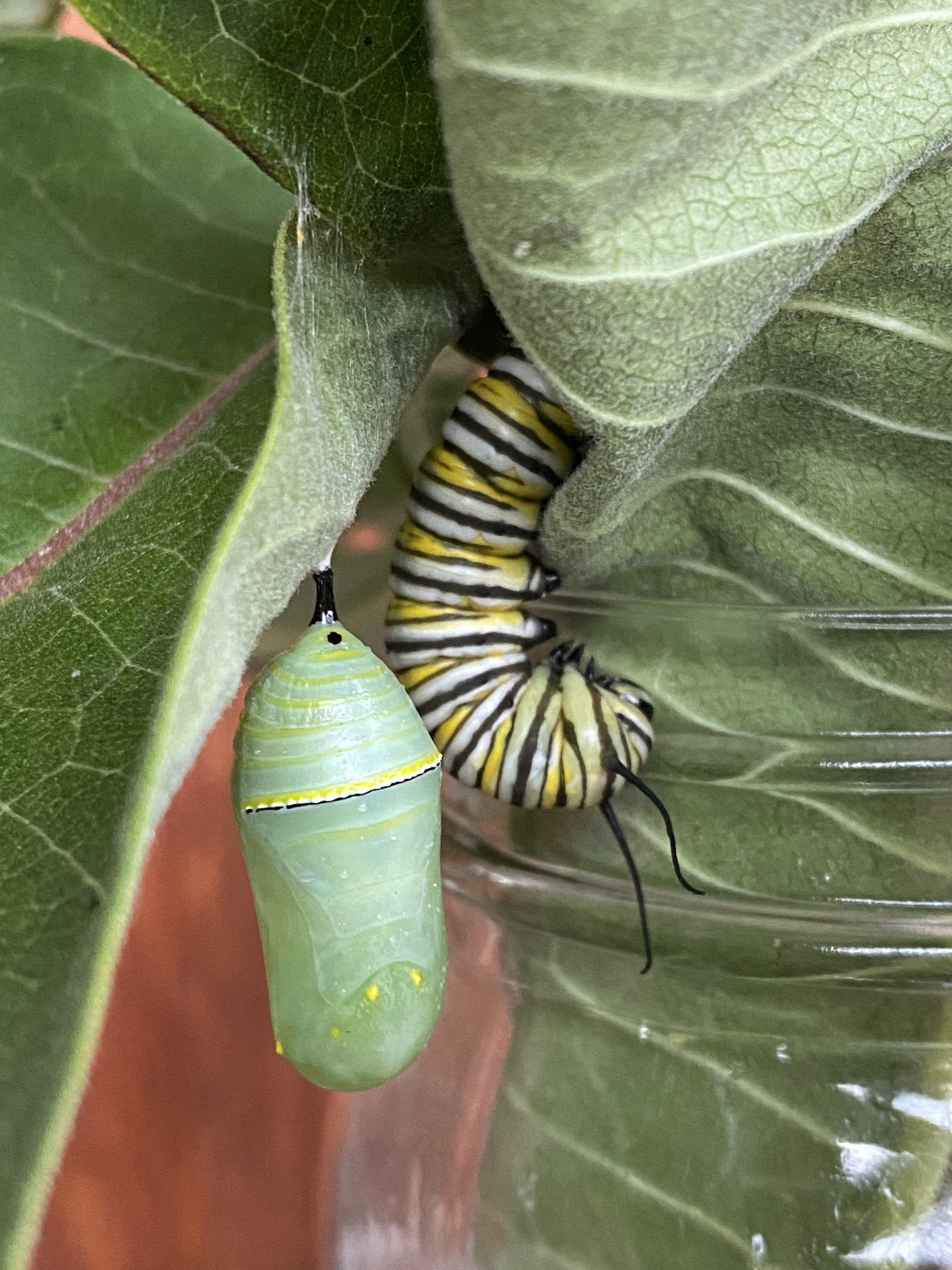
One of the most astonishing things about monarchs is their epic migration. These delicate insects undertake a 2,300-mile journey from Minnesota to Mexico every fall monarchfestival.org! Monarchs are the only butterfly species known to make a two-way migration like birds do, flying up to 3,000 miles round-trip gardenia.net. In late summer, typically around the end of August in Minnesota, a special generation of monarchs emerges – these butterflies sense the shorter days and cooler air and do not breed right away. Instead, they fatten up on nectar and set off on a great southward flight monarchwatch.org monarchwatch.org. Millions of monarchs from across the Midwest and Canada converge and funnel through states like Texas, aiming for a few mountaintop forests in central Mexico where they’ll overwinter in massive clusters monarchwatch.org. It’s a journey their great-grandchildren will complete in reverse next spring, when monarchs migrate back north and recolonize Minnesota by early summer.
This migration is awe-inspiring – and it’s also in peril. People in Minnesota have noticed fewer monarchs than in decades past. A park manager in western Minnesota who used to see thousands of monarchs passing through each fall noted that by 2013 it had become hard to find any to tag wcif.org. Scientifically, the eastern monarch population (the ones that migrate to Mexico and include Minnesota’s monarchs) dropped about 88% from 1996 to 2020, shrinking from an estimated 383 million butterflies to under 45 millionwcif.org. The western monarchs (a smaller population that overwinters in California) have fared even worse – down 95-99% from their historical numbers bringmethenews.cominterlochenpublicradio.org. Because of these dramatic declines, conservationists have raised alarms. In 2022 the International Union for Conservation of Nature (IUCN) temporarily listed the migratory monarch butterfly as an endangered species on its Red List monarchjointventure.org. (This was later revised to “vulnerable” in 2023 after new data, but it still highlights how at-risk monarchs are monarchjointventure.orgmonarchjointventure.org.) In the U.S., the Fish and Wildlife Service announced that monarchs are warranted for listing under the Endangered Species Act – effectively making them a candidate for threatened status and acknowledging the need for urgent conservation action extension.umn.edumonarchjointventure.org.
Why are monarchs struggling? The reasons are largely human-caused. Habitat loss is a big one – development and modern agriculture have eliminated a lot of native wildflower habitat, including milkweed. Herbicide use in farm fields has wiped out milkweed that used to grow among crops, leaving fewer places for monarchs to reproduce wcif.org. Pesticides can directly kill butterflies or contaminate their nectar sources. Climate change is another threat – extreme weather, droughts, and changing seasons can disrupt monarchs’ migration timing and breeding success wcif.org. Even deforestation in their Mexican wintering grounds plays a role. The bottom line is that monarchs face a gauntlet of challenges across their migratory route. This is why creating monarch-friendly spaces in Minnesota is so important. Every pollinator garden, park planting, and roadside prairie can provide vital waystations where monarchs can feed, breed, or rest on their long journey wcif.org. Conservationists stress that by restoring habitat in our communities, we can help “change the future for pollinators” and ensure that each new generation of monarchs has a fighting chance to make that expected journey south and back again wcif.orghastingspollinatorpathway.org.
Despite the challenges, there is hope. In recent years, some Minnesota observers have noted the occasional uptick in monarch numbers – a reminder that these butterflies can rebound if given the opportunity wcif.org. By taking action locally, we contribute to a continental effort to save this iconic insect. And along the way, we get to enjoy the magic of metamorphosis and migration up close – a fantastic way to get kids (and adults!) excited about nature and science.
Raising Monarchs at Home – Ethical Tips for Families and Classrooms
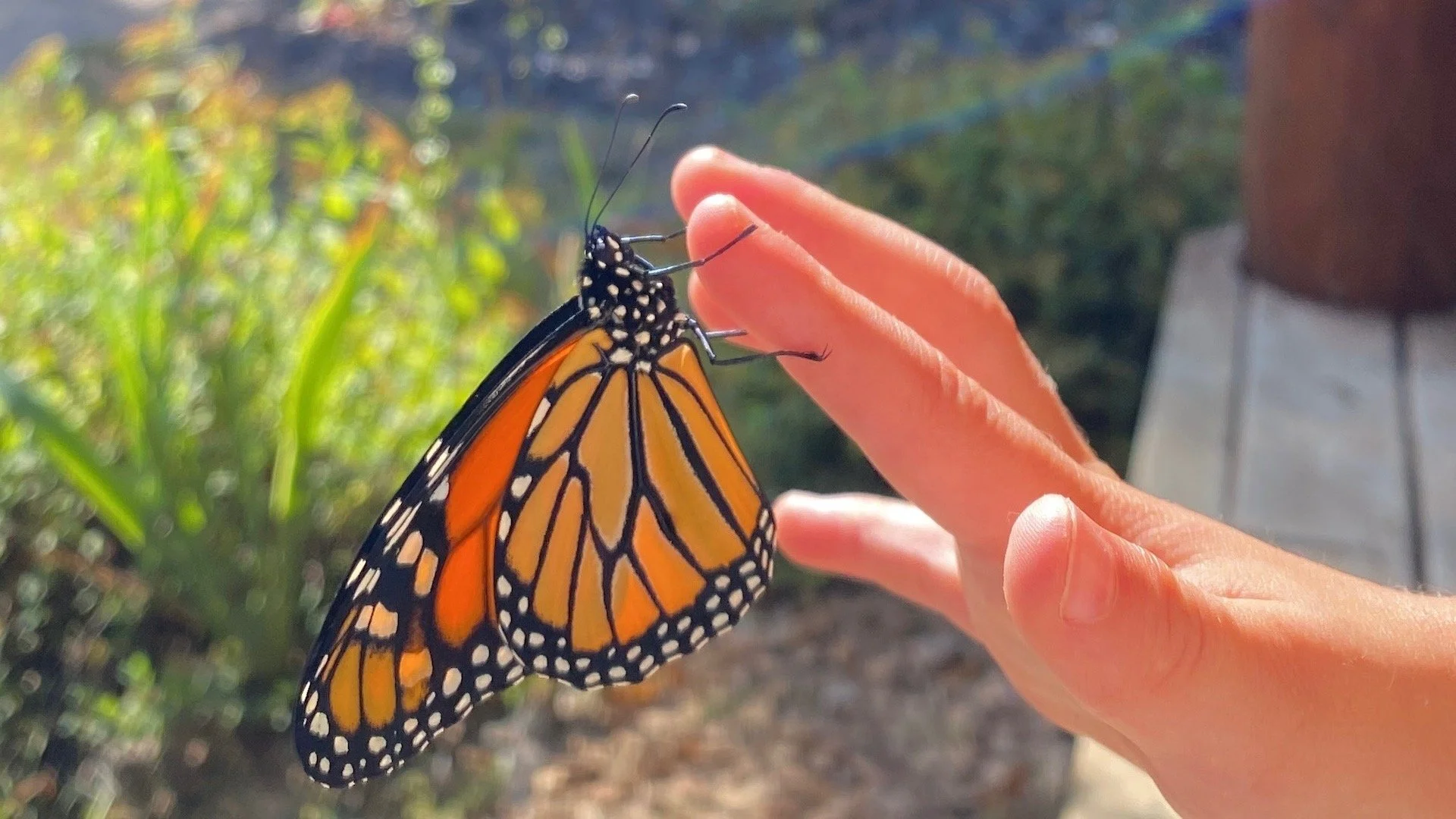
One hands-on way many Minnesotans have gotten involved in monarch conservation is by rearing monarch caterpillars at home or in classrooms. Watching a monarch caterpillar munch away, form a jade-green chrysalis, and finally emerge as a glorious butterfly can be an unforgettable learning experience for kids and adults alike. It can foster a deep connection with nature. However, experts today urge caution and responsible practices when it comes to raising monarchs. While it’s fine (and fun!) to rear a few monarchs to observe their life cycle, raising large numbers in captivity or breeding monarchs indoors is not recommended – it can actually do more harm than good interlochenpublicradio.orginterlochenpublicradio.org. Here are some science-based do’s and don’ts for ethical monarch rearing:
Do stick to small numbers: Limit yourself to raising just a few monarchs (for example, 5–10 or even fewer at a time). A monarch is not a pet – the goal is to release healthy butterflies to the wild. Experts advise that any captive rearing be kept small-scale, and only one generation (raising eggs to butterflies that you then release) interlochenpublicradio.org. Raising hundreds of monarchs in captivity can lead to overcrowding, disease spread, and butterflies that may be weaker or disoriented when released interlochenpublicradio.org. A few caterpillars per family or class is plenty to learn from, without risking the population.
Do provide a proper habitat: Those old mason jar tricks are out! Monarch caterpillars need space, ventilation, and fresh food. Keep them in a roomy enclosure with mesh or breathable sides – for example, a small pop-up caterpillar tent or even a mesh laundry hamper works well. Avoid cramming caterpillars into tiny jars or sealed containers where mold and waste build up aercmn.com. Line the bottom of your cage with paper towel for easy cleaning, and include a few sturdy sticks or a mesh ceiling where caterpillars can climb to pupate (form their chrysalis).
Do keep it clean: Monarch caterpillars are eating machines – and that means they produce a lot of frass (poop)! Clean the enclosure daily or as needed: remove soiled paper towels, wipe up moisture, and replace any old, wilted milkweed leaves with fresh ones. Good sanitation helps prevent disease. Always wash your hands before and after handling caterpillars or their food.
Do feed fresh native milkweed: As noted above, monarch larvae only eat milkweed, so you’ll need a supply of fresh leaves. It’s best to collect eggs or caterpillars from your own garden milkweed (or a safe local wild patch) so you know they haven’t been exposed to pesticides. Keep milkweed cuttings fresh by placing the stems in water (you can use florists’ tubes or a small vase inside the cage, but cover any open water so tiny caterpillars don’t drown). Refill the food supply and remove dried leaves each day. Never use leaves that have been sprayed with insecticide, as this can kill the caterpillars.
Don’t interfere with nature more than necessary: It’s fine to rescue an egg or caterpillar from a spot that’s unsafe (e.g. on milkweed in a construction zone or an isolated plant about to be mowed). But avoid the temptation to collect every monarch you find. Wild monarchs have natural survival challenges, and only a small percentage make it to adulthood – that’s normal. The monarchs you do rear should ideally be ones you found locally, and they will be released where they belong (in Minnesota) once they emerge. Do not purchase monarch caterpillars or ship them from elsewhere, as that can introduce diseases or mismatched genetic populations. Nature knows best – our role is just to give a lucky few a head-start and an educational showcase.
Don’t keep them captive after they emerge: When your monarch butterfly ecloses (hatches from its chrysalis), it will need a few hours to expand and dry its wings. Enjoy observing this miracle! Once the butterfly’s wings harden, plan to release it within a day or two (weather permitting). Choose a warm, calm day if possible, and let the butterfly walk onto a flower or your finger and take off on its own. There’s nothing quite like watching a monarch you helped raise soar into the sky, starting its long journey. Never keep monarchs longer than necessary, and never confine them for your own amusement – their instincts will drive them to migrate or breed, and they need to be free to do so.
Follow safe rearing practices: If you raise monarchs often, educate yourself on preventing disease. One common issue in captive-reared monarchs is a parasite called OE, which can infect chrysalises and adult butterflies. To reduce risks, sterilize your rearing containers between batches (wash with a bleach solution), avoid cross-contamination (don’t mix caterpillars from different sources), and observe for any signs of illness (such as dark spots in a chrysalis or caterpillars that appear lethargic or malformed – those should be removed from the population). By staying vigilant, you’ll be helping rather than hurting. The Monarch Joint Venture provides guidance on safe rearing protocols interlochenpublicradio.org.
Importantly, experts emphasize keeping monarchs wild. The Xerces Society and other conservation groups point out that while rearing a few monarchs for education is okay, mass-rearing or captive-breeding monarchs (releasing hundreds of human-raised butterflies, or trying to breed multiple generations in captivity) is not a proven conservation strategy and can even backfire interlochenpublicradio.org interlochenpublicradio.org. The best way to help the species is to create healthy habitat and address the root problems. So think of home raising as a fun complement to habitat work, not a substitute. In a family or classroom setting, raising a handful of monarchs can spark wonder and caring – just do it responsibly. Your reward will be an up-close view of the monarch’s magical metamorphosis, and the knowledge that your butterfly graduates will flutter off into the wild world that you’ve helped make a bit safer for them.
Planting a Pollinator Paradise: Nectar for Every Season
Feeding monarch caterpillars with milkweed is only half the story – once monarchs become butterflies, they (and many other pollinators) need plenty of flowers for nectar. If you want to truly help monarchs thrive, aim to plant a pollinator buffet that blooms from spring through fall. In Minnesota, different native plants will ensure there’s always a source of energy-rich nectar available, whether it’s for the first monarchs arriving in June, the breeding generations in mid-summer, or the last migrators leaving in September. Here’s how to provide season-long blooms in your pollinator garden:
Early Season (Spring to Early Summer): After a long Minnesota winter, early-emerging pollinators are hungry! Monarchs typically don’t show up until late May or June, but other native bees and butterflies come out earlier. So, including some spring bloomers helps the whole ecosystem (and any early monarch stragglers). Great early natives include wild columbine (Aquilegia canadensis), which blooms in May with red-yellow spur flowers that attract butterflies and hummingbirds eqb.state.mn.us. Golden Alexanders (Zizia aurea) is another excellent choice – it flowers in late spring with flat yellow clusters that provide pollen and nectar for bees (and it’s even a host for some swallowtail butterflies) eqb.state.mn.useqb.state.mn.us. Large-flowered beardtongue (Penstemon grandiflorus), with its tubular white blooms, is a wonderful early summer nectar source as well eqb.state.mn.us. Don’t forget flowering shrubs and trees: spring-blooming shrubs like wild plum and willow produce early nectar and pollen that can be critical food sources for queen bumblebees and other insects in April-May eqb.state.mn.us. By planting a few of these spring delights, you ensure your garden wakes up with color and food for pollinators.
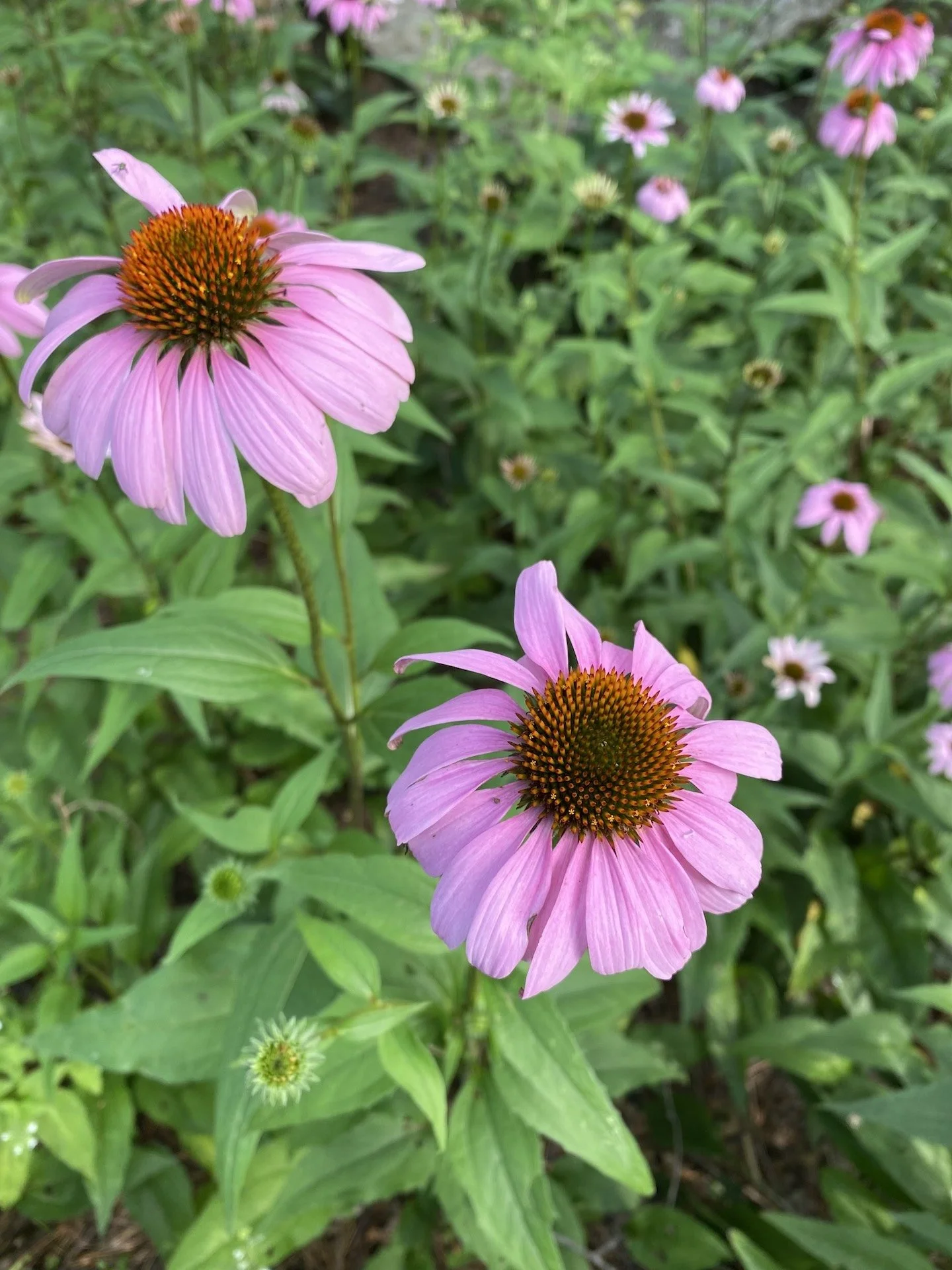
Mid-Season (Summer): Summer is monarch season in Minnesota – this is when monarchs are breeding, laying eggs on milkweed, and flitting flower to flower for fuel. You’ll want a variety of mid-summer bloomers. Some top picks for monarchs and bees: Purple coneflower (Echinacea) is a classic – its purple daisy-like blooms are rich in nectar and pollen, attracting butterflies, bees, and more ncipmhort.cfans.umn.edu. (Fun fact: the native narrow-leaf coneflower is actually from western MN prairies, while the common purple coneflower is native a bit further south/east, but both grow well in gardens here ncipmhort.cfans.umn.edu.) Wild bergamot (Monarda fistulosa), also called bee balm, bursts into shaggy lavender blooms in July and is a nectar powerhouse – watch for bumblebees, hummingbird moths, and butterflies crowding its flowers eqb.state.mn.us. Of course, milkweed itself blooms in summer – swamp milkweed has pink blooms in July that are highly attractive to many butterflies ncipmhort.cfans.umn.edu, and common milkweed’s fragrant globes are a mid-summer treat for monarchs (when monarchs aren’t busy laying eggs on them!). Black-eyed Susan (Rudbeckia hirta) is another MVP – it starts blooming in June and can last into early fall, offering a steady nectar supply plus seeds for birds later ncipmhort.cfans.umn.edu. Blazing stars (Liatris species) also start flowering in mid-late summer; one in particular, the meadow blazing star (Liatris ligulistylis), is often cited as the monarch magnet in August. Gardeners report seeing monarchs flock to its purple spikes, and indeed this plant is considered “the preferred plant for monarch butterflies in late August and September as they load up on energy before migrating” ncipmhort.cfans.umn.edu. (It’s like a pre-migration protein shake for them!) By mixing these mid-summer bloomers – coneflowers, milkweeds, bee balm, black-eyed Susans, blazing stars, and more – your garden will be a buzzing, fluttering hub of activity all summer long.
Late Season (Late Summer into Fall): Late summer and early fall are critical for monarchs. The generation of monarchs that heads south to Mexico (called the “supergeneration”) needs to sip as much nectar as possible in August and September to build fat reserves for their long flightmonarchwatch.org. Meanwhile, many other pollinators – like bumble bee queens – are also fueling up before winter hibernation. That’s why late-blooming flowers are essential. Two superstars of the fall garden are goldenrods and asters. New England aster (Symphyotrichum novae-angliae) is a must-have – in September its vivid purple flowers (with orange centers) are loved by almost all pollinators, and monarchs will seek out asters during their migration southncipmhort.cfans.umn.edu. New England aster and its relatives bloom well into autumn, providing nectar during the monarchs’ final pit-stops. Goldenrods (Solidago species) are another late nectar source – despite the myth, goldenrod pollen doesn’t cause allergies (ragweed is the culprit), and goldenrod’s yellow plumes are extremely valuable for monarchs, bees, and migrating butterflies in the fall eqb.state.mn.us. Meadow blazing star, mentioned above, also continues into early fall, as do sunflowers (try native perennial sunflowers or showy annuals) and Joe-Pye weed (Eutrochium), which blooms in late summer with mauve flower clusters that attract butterflies. By including several late bloomers like asters, goldenrods, and Joe-Pye, you turn your garden into a crucial refueling station. The Minnesota Environmental Quality Board notes that late-flowering species like asters and goldenrods provide nectar for insects that overwinter or migrate – including those young bumblebee queens and the monarch butterflies heading to Mexico eqb.state.mn.us. In other words, your fall flowers can directly impact the success of monarch migration!
Plant native and avoid pesticides: When choosing plants for your pollinator paradise, stick with natives whenever possible. Native wildflowers are adapted to Minnesota’s climate and soil, and our local pollinators recognize and use them. They often bloom at just the right times and tend to be more beneficial than fancy hybrids. Group your plantings (multiple of each species together) to create a target-rich environment for butterflies to find. And absolutely avoid using insecticides on your pollinator garden – even supposedly “safe” ones can harm butterflies and bees. A healthy garden with native plants usually won’t need much intervention; accept a bit of leaf nibbling as a badge of honor that your garden is feeding someone! If you need to control pests, opt for gentle methods and avoid systemic chemicals (like neonicotinoids) that can linger in plant tissues and poison nectar/pollen gardenia.netbluethumb.org. By gardening naturally, you keep your yard safe for monarchs from egg to adult.
Minnesota Resources: Get Involved and Growing
Raising monarchs and planting pollinator habitat is even more rewarding when you tap into the great community resources Minnesota offers. Here are some Minnesota-specific tips and resources to help you on your way:
Where to find native plants: Luckily, Minnesota has many native plant nurseries and seed suppliers. In the Hastings area, you’re even near one of the best – Out Back Nursery in Hastings specializes in Minnesota native trees, shrubs, and wildflowers and has been providing regional native plants since 1992 bluethumb.org. Other excellent sources include Prairie Moon Nursery (based in southeastern MN, they do mail-order of native seeds and plants) bluethumb.org, Prairie Restorations Inc. (with locations in the Twin Cities region), and Minnesota Native Landscapes (MNL). Each spring, there are also many community native plant sales – often hosted by local nature centers, conservation districts, or Wild Ones chapters – where you can buy pollinator-friendly plants. The Blue Thumb organization maintains a list of spring native plant sales across Minnesota bluethumb.org. Also check with the Dakota County Soil & Water Conservation District (SWCD) or Washington County SWCD – these often offer native plant kits or tree/shrub sales to residents bluethumb.org. Wherever you get your plants, be sure to ask that they are pesticide-free and neonic-free, so you’re not unintentionally introducing toxins to your pollinator haven bluethumb.org.
Grants and support for pollinator gardens: Did you know Minnesota has a program that might pay you to plant for pollinators? The Lawns to Legumes program, launched in 2019, offers cost-share grants, workshops, and coaching to help residents convert part of their lawn into pollinator-friendly habitat. It’s aimed especially at supporting at-risk species like the rusty patched bumble bee (our state bee) and monarch butterflies. The program has been wildly popular – since 2019, Lawns to Legumes has helped over 12,000 Minnesotans create 14 million square feet of pollinator habitat on their properties resist.bot! Demand often exceeds funding (a sign of how enthusiastic Minnesotans are about pollinator gardening). You can apply for small grants (usually $300–$500) to offset the cost of native plants, and even if you don’t get a grant, the program provides free planting guides and workshops. Keep an eye on the Minnesota Board of Water and Soil Resources (BWSR) website or Blue Thumb’s Lawns to Legumes page for application info – typically there are application periods each year. Hastings residents are eligible, and being in the Mississippi River corridor (a flyway for many critters), our area is a great place to create new pollinator habitats. Beyond Lawns to Legumes, check for local initiatives: for example, some cities have “pollinator friendly yard” recognition programs, and the University of Minnesota Extension Master Gardeners often host free workshops on planting for pollinators. Tap into these resources to get expert advice and maybe some free plants or seeds!
Join community science and education efforts: If you’re raising monarchs or planting habitat, why not contribute to science? One way is by participating in monarch tagging. Organizations like Monarch Watch (based at the University of Kansas) provide tiny stickers and datasheets so you can tag monarch butterflies before release wcif.org. Tagged monarchs that reach Mexico are recorded, yielding amazing information on migration routes and survival – a great project for a school class or family (contact Monarch Watch or local nature centers for tagging kits). You can also report monarch sightings and milkweed growth on platforms like Journey North or the Minnesota Monarch Larva Monitoring Project (MLMP), which is coordinated by educators at the University of Minnesota. The Monarch Joint Venture, a partnership organization headquartered in Minnesota, offers community science programs and resources for teachers and enthusiasts on their website monarchjointventure.orgmonarchjointventure.org. These activities help researchers while deepening your own engagement with monarchs.
Fun local events: Mark your calendars for pollinator-inspired events in our region! One highlight each year is the Minneapolis Monarch Festival – Festival de la Monarca, held in early September at Lake Nokomis. This family-friendly festival celebrates the monarchs’ amazing journey with music, Latin American food, dance, educational exhibits, and opportunities to see live monarchs up close. It’s timed to coincide with the peak monarch migration through Minnesota. In fact, the festival is explicitly a party for the monarch’s 2,300-mile migration from Minnesota to Mexico monarchfestival.org – a great way to send off our butterflies in style. Closer to home, keep an eye out for events at places like the Minnesota Zoo (which has pollinator conservation programs and sometimes hosts Butterfly Weekends), the Minnesota Landscape Arboretum, and local parks. The Arboretum in Chaska has wonderful pollinator gardens and often offers classes on planting for pollinators. In Dakota County, Lebanon Hills Park and Dodge Nature Center sometimes run pollinator walks or workshops. Even the Minnesota State Fair now has a pollinator education area where you can learn about bees and butterflies. For Hastings specifically, watch for programs at the Carpenter St. Croix Valley Nature Center – they do bird banding and nature education, and might include monarch tagging or releases in late summer. Participating in these events can be both fun and inspiring, connecting you with fellow butterfly enthusiasts and expert advice.
Additional help and information: If you’re looking for more guidance, check out the Minnesota DNR’s pages on landscaping for pollinators and the plant lists in their pollinator toolbox eqb.state.mn.us. The Xerces Society publishes free regional guides for pollinator-friendly native plants eqb.state.mn.us – the Great Lakes region guide covers Minnesota with plenty of plant ideas. The Wild Ones Twin Cities chapter is another fantastic resource; Wild Ones is a native gardening group that offers mentoring and garden tours to learn from. And of course, our own University of Minnesota Extension has lots of info – from how to start a pollinator garden to understanding monarch biology. The Extension even runs a volunteer program (Master Gardeners) and citizen science projects that anyone can join. In short, you’re not alone in this journey – Minnesota has a whole network of people working to save pollinators, and they welcome you to join the effort.
Conclusion: From Hastings with Love (and Milkweed)
Helping monarch butterflies can be as simple as planting a seed or as profound as witnessing a butterfly’s first flight. In Hastings and across Minnesota, families and educators are embracing the call to action – turning lawns into wildflower meadows, protecting patches of milkweed, and sharing the wonder of monarch metamorphosis with the next generation. This blend of home-grown fun and scientific care is exactly what we need. By providing native milkweed for caterpillars and a rainbow of nectar flowers for adult butterflies, we’re not only aiding monarchs on their incredible migratory journey, but also creating healthier environments for countless other pollinators (from native bees to hummingbirds) that share our yards. Every backyard pollinator garden becomes a piece of a larger puzzle, a “pollinator pathway” ensuring that wildlife can thrive even in our developed landscapes.
The monarch’s story – its extraordinary migration, its dependence on specific plants, its recent brush with endangerment – is a powerful reminder of how interconnected everything in nature is. It’s a story we can all be part of. Whether you raise one monarch butterfly with your kids and watch it sail off towards Mexico, or whether you plant an entire pollinator prairie on your property, you are contributing to a continent-wide conservation movement. And you’re likely to find it’s immensely rewarding and joyful work. After all, few things are more magical than seeing a monarch butterfly dancing among flowers you planted, or knowing that the monarch chrysalis hanging in your kitchen was saved from a perilous fate and will soon adorn the skies.
So let’s get started – plant some milkweed, sow those native flower seeds, and maybe welcome a few tiny monarchs into the world. The monarch butterflies need our help, and in return they gift us the splendor of their presence and the promise that with collective effort, even the smallest creatures can be saved. This summer in Hastings, let’s make our gardens flutter with life and our children’s eyes shine with curiosity as we join in raising and protecting the mighty monarchs. Happy butterfly gardening!
Sources:
University of Minnesota Extension – Year of the Asclepias: Celebrate the Beauty and Benefits of Milkweed extension.umn.eduextension.umn.edu
West Central Initiative – An Expected Journey: Minnesota’s Migrating Monarch wcif.orgwcif.org
Interlochen Public Radio – Raising Monarch Butterflies… (July 2024) interlochenpublicradio.orginterlochenpublicradio.org
Monarch Joint Venture – IUCN Status Change FAQ (Dec 2023) monarchjointventure.orgmonarchjointventure.org
Minneapolis Monarch Festival (monarchfestival.org) monarchfestival.org
Minnesota Zoo/UMN CFANS – Plant for Pollinators Guide ncipmhort.cfans.umn.eduncipmhort.cfans.umn.edu
MN Environmental Quality Board – Pollinator-Friendly Planting Guide eqb.state.mn.us
Blue Thumb – Native Plant Nurseries in Minnesota bluethumb.org
Resistbot letter – Lawns to Legumes impact statistics resist.bot