Hastings girls tennis celebrates a season of growth and friendship
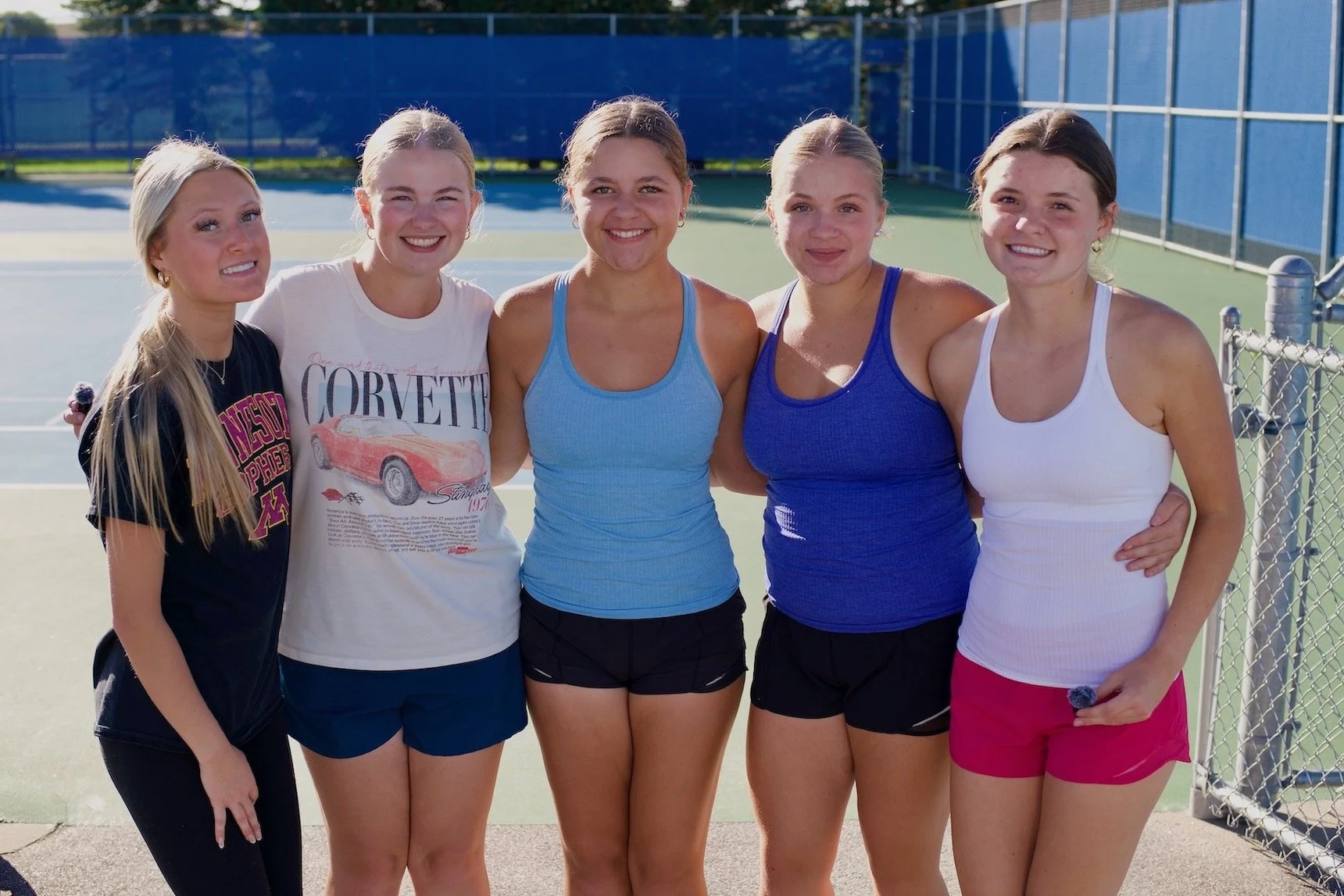
The friendships behind the season. Hastings girls tennis players repeatedly described a positive team atmosphere in their interviews with HastingsNow.com.
Coaches and players reflect on finding confidence, honoring seniors and giving back to Hastings
By Ashley and Peter | HastingsNow.com
Ask the Hastings High School girls tennis players what they will remember about their season, and the answers move easily from the court to a team dinner.
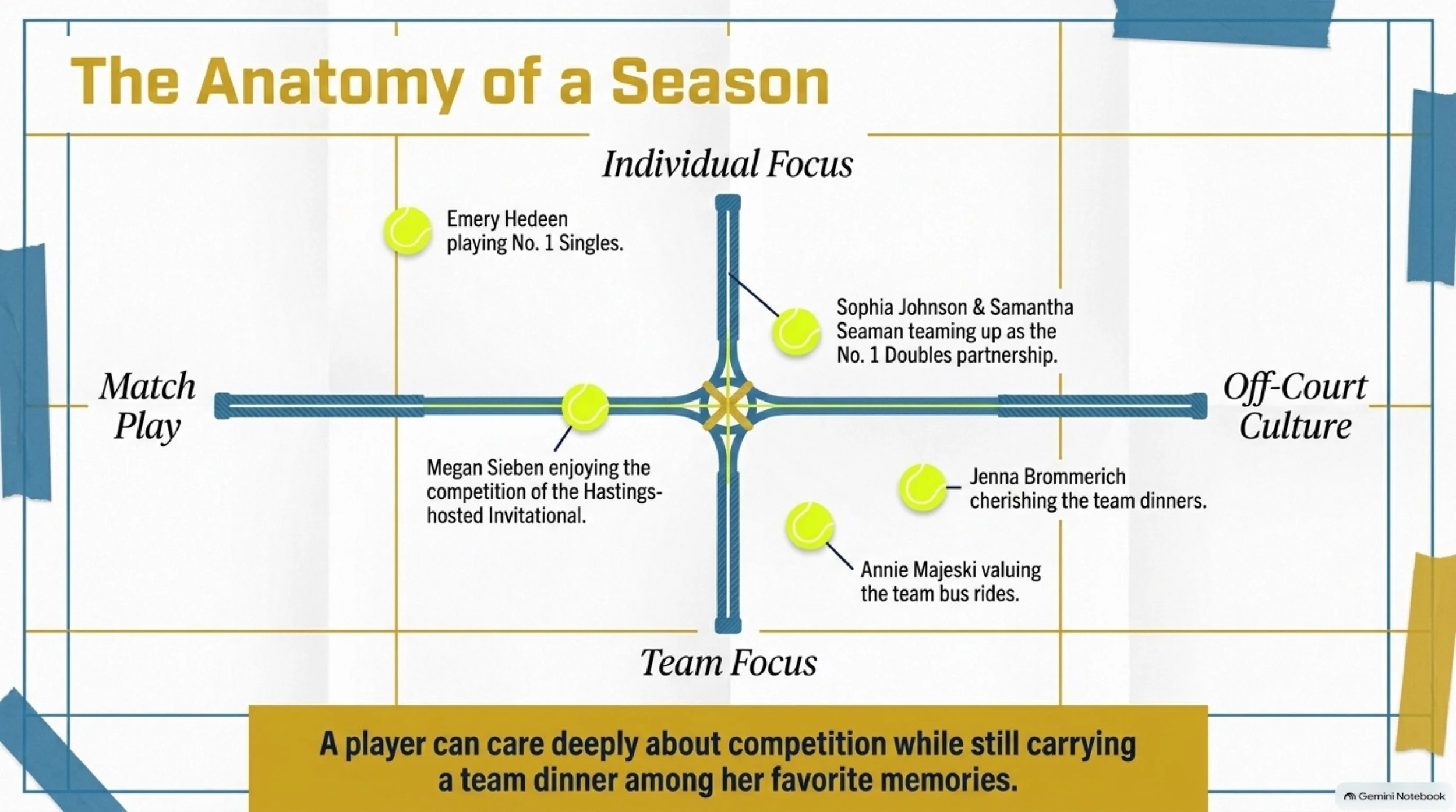
Senior Emery Hedeen remembers discovering what she could do at No. 1 singles. Jenna Brommerich remembers the dinners. Annie remembers the bus rides with her friends. Andee remembers trying different positions with teammates cheering her on.
Together, their answers describe a team that cared about getting better and enjoyed being together while it happened.
In interviews with HastingsNow.com, head coach Marissa Welch, assistant coach Alex Zuzek and players from three grade levels reflected on the Hastings, Minnesota, program. They talked about stronger tennis, a more positive atmosphere and the small traditions that made a busy fall feel like their own. [1]
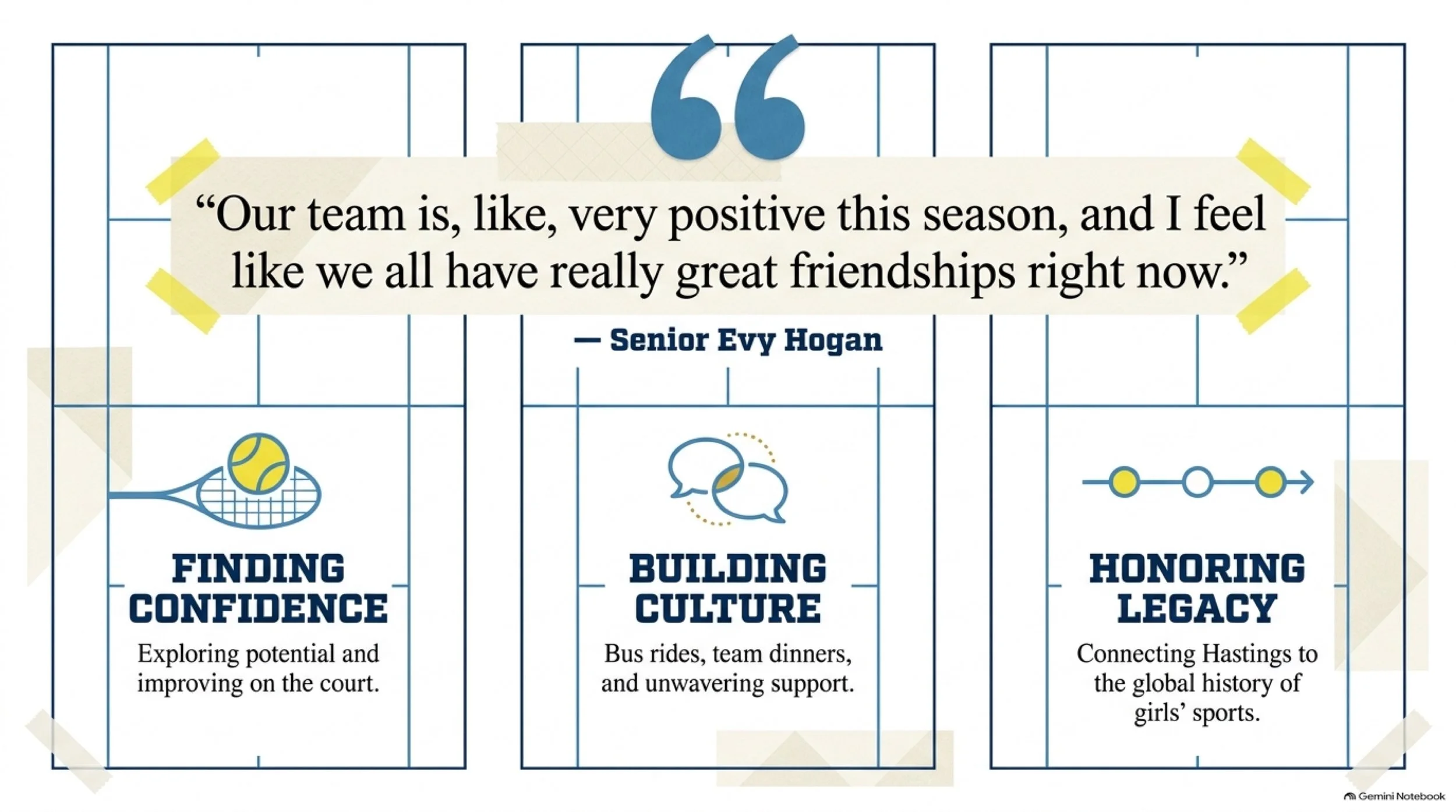
“Our team is, like, very positive this season, and I feel like we all have really great friendships right now,” senior Evy Hogan said.
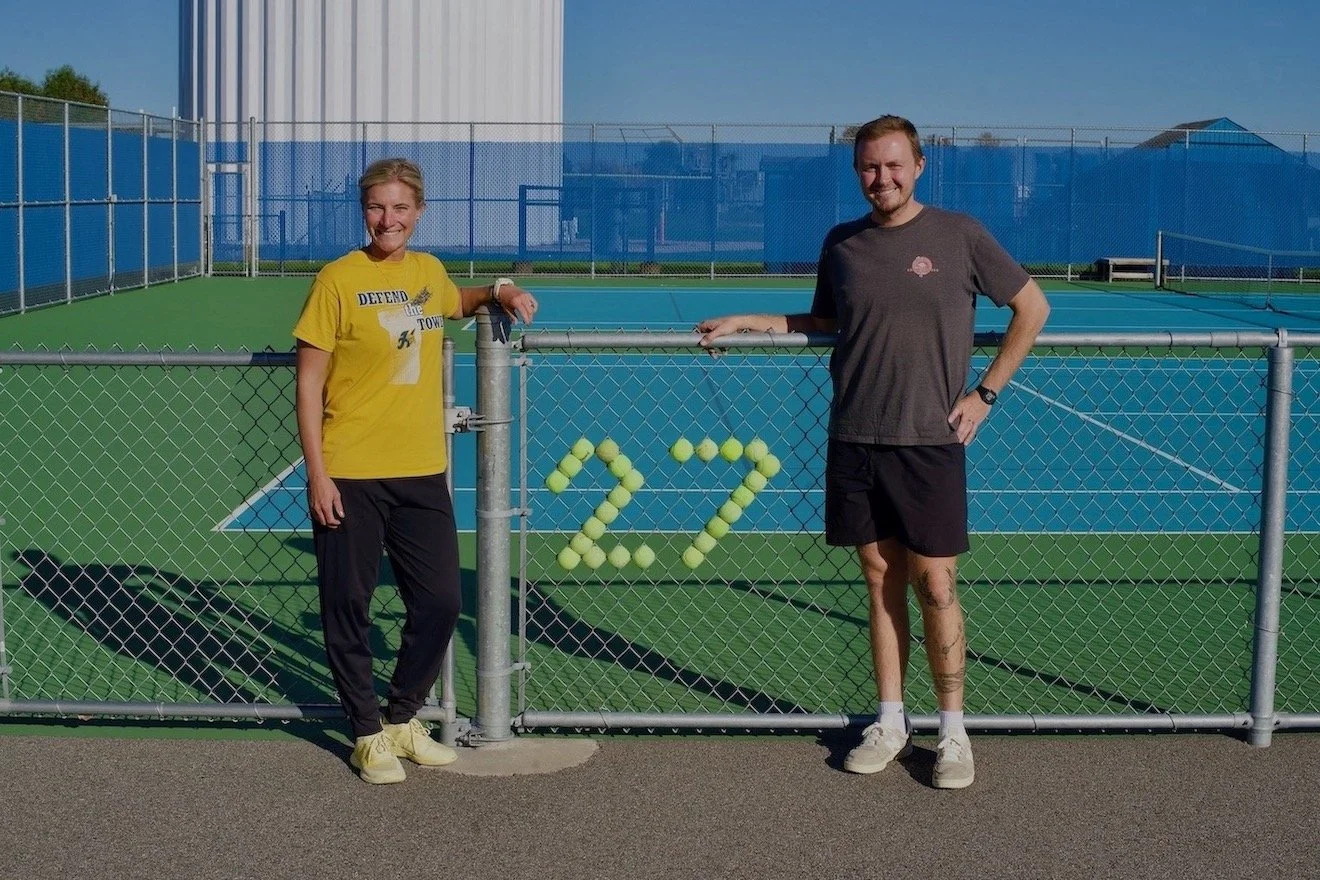
Growth on the court and time together away from competition were central themes in the Hastings girls tennis coaches’ season reflections.
Finding confidence on the court
For Hedeen, the opportunity to play No. 1 singles became a chance to understand her own ability.
“It was just cool getting to see my full potential,” she said.
Senior Sophia Johnson also took satisfaction in her improvement. She said she played better this year and appreciated the team’s positive attitude. In another interview, she singled out the season she spent playing No. 1 doubles with junior Samantha Seaman, whom she called Sam. [2, 3]
Samantha mentioned that partnership, too. Alongside her favorite team dinner, playing with Sophia throughout the season was one of the things she wanted to remember.
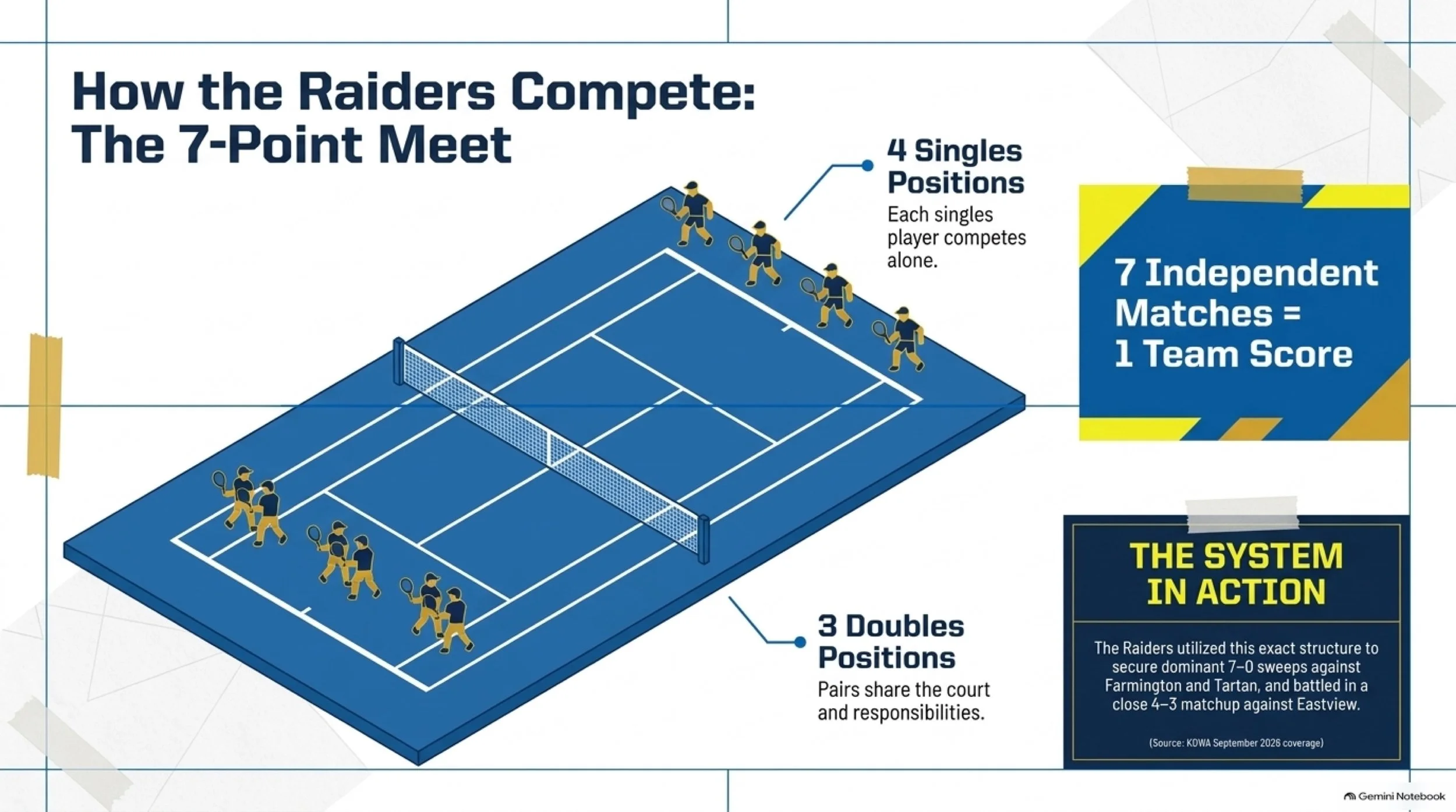
For spectators new to the sport, the Raiders’ reported varsity lineups show how individual performances contribute to a team result: four singles positions and three doubles positions. Each singles player competes alone, while a doubles pair shares its court. Across those seven matches, teammates have different responsibilities within the same meet. [2, 3]
KDWA’s September coverage recorded 7–0 Hastings wins over Farmington and Tartan, along with a close 4–3 loss to Eastview. Those reports offer a glimpse of the competition behind the players’ reflections. [2, 3, 4]
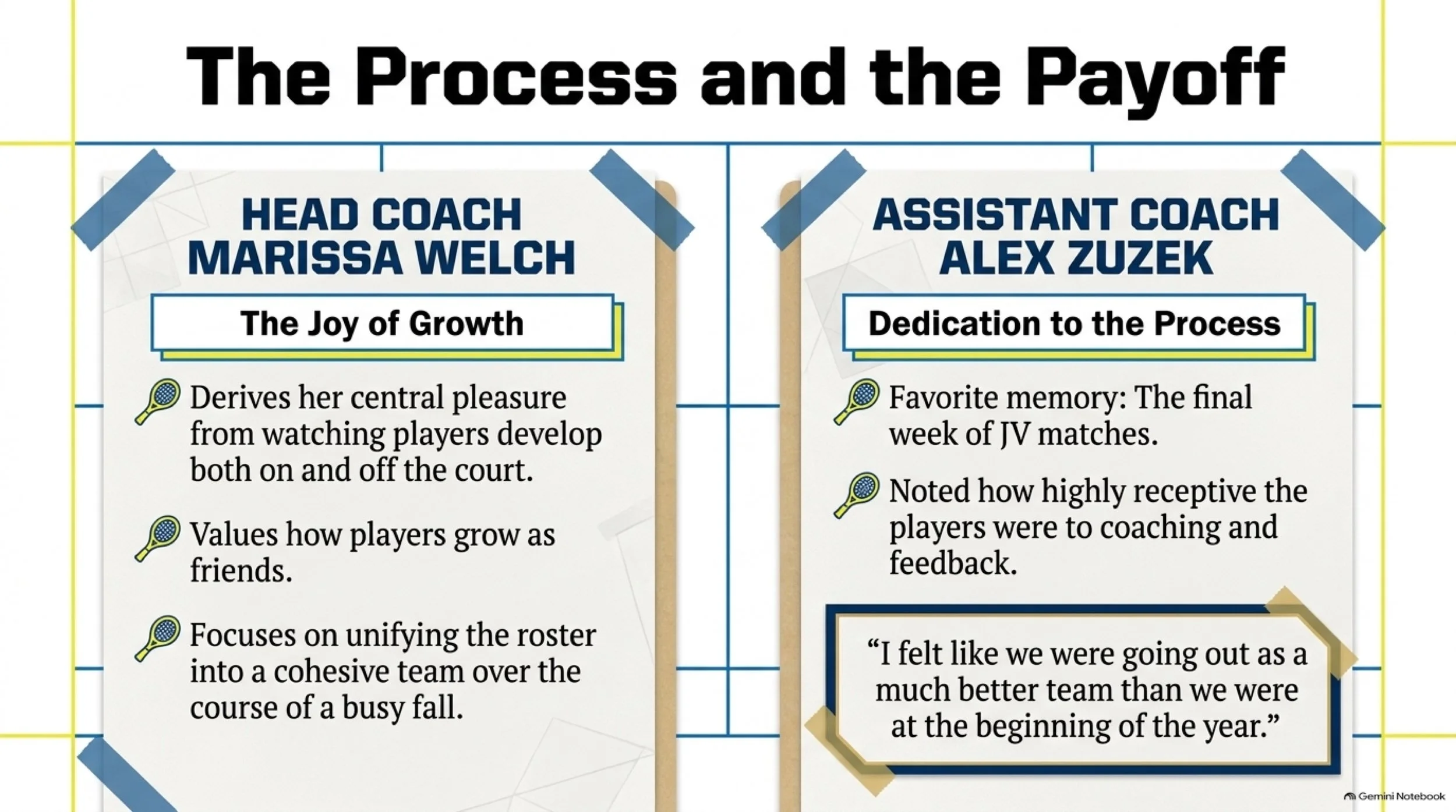
Zuzek’s favorite memory came from the final week of junior varsity matches. He appreciated how open the players were to coaching and how well they played across four matches that week.
“I felt like we were going out as a much better team than we were at the beginning of the year,” he said.
For the assistant coach, that progress reflected dedication to the process. His satisfaction came from seeing the work of the season show up in the way the girls played.
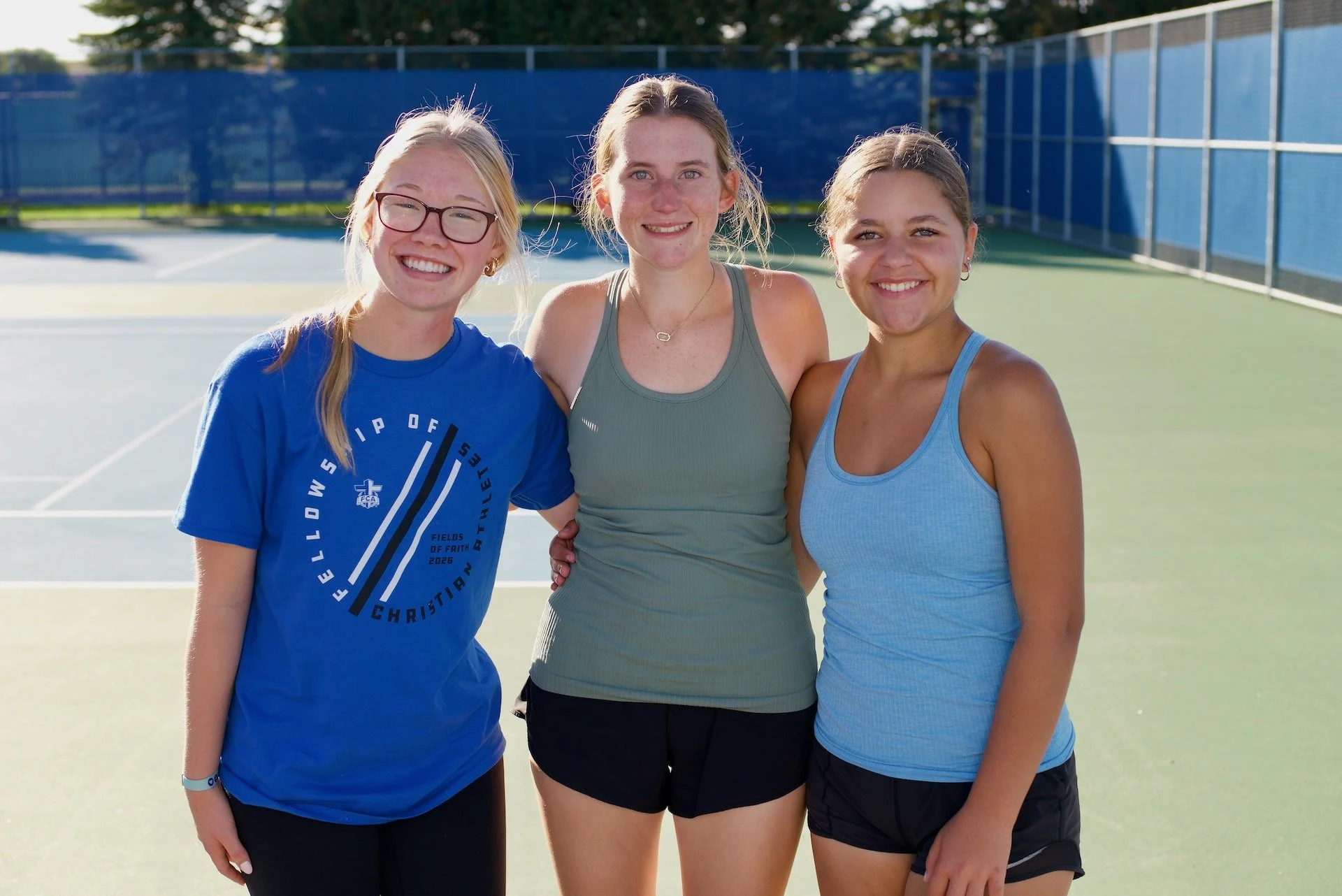
Playing together and spending time together both figured in the players’ favorite memories of the season.
Five seniors and the memories they chose
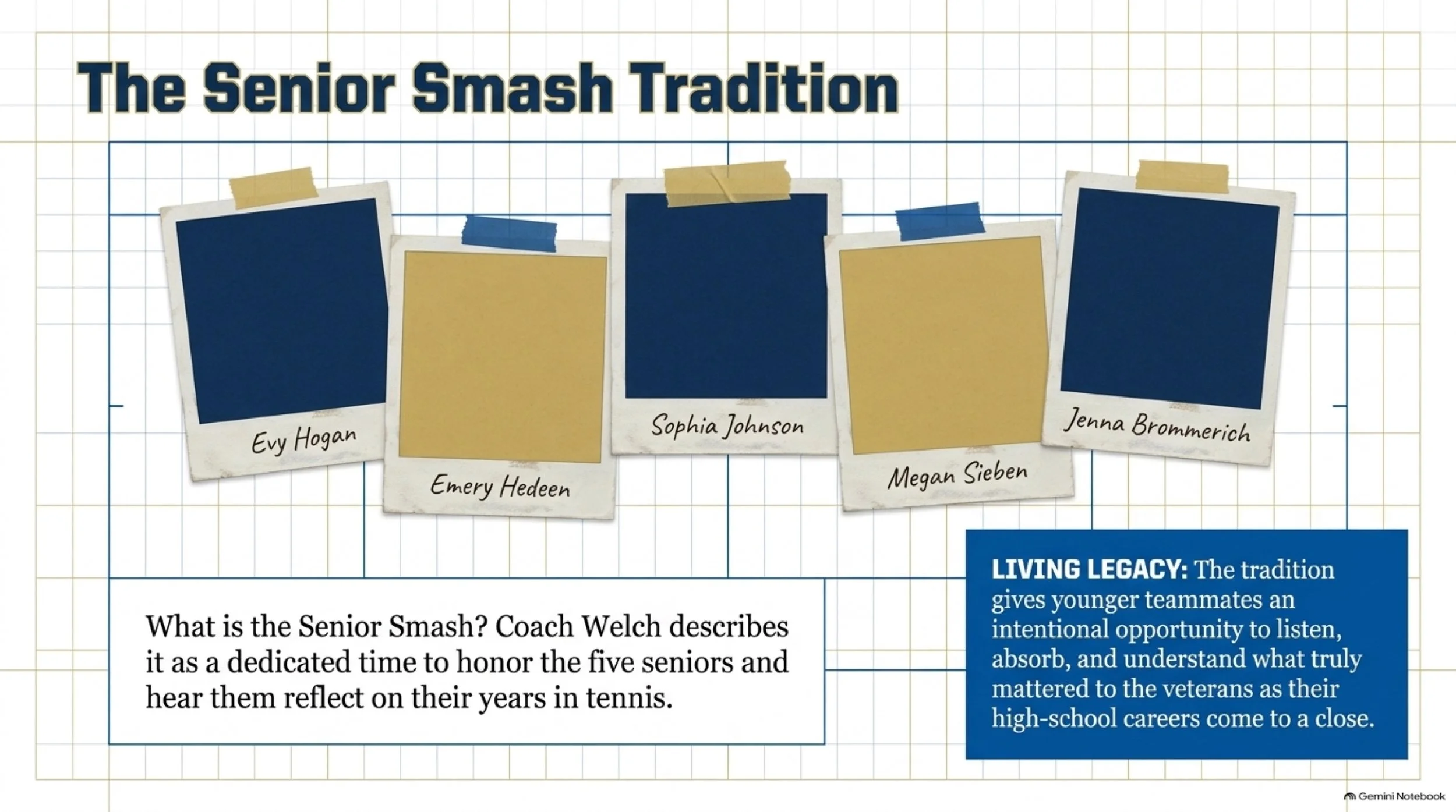
The five seniors interviewed by HastingsNow.com were Evy Hogan, Emery Hedeen, Sophia Johnson, Megan Sieben and Jenna Brommerich. Each offered a slightly different view of the same season.
Brommerich chose the team dinners. Sieben’s favorite was the invitational Hastings hosted. Johnson remembered improved play and a more positive attitude. Hedeen valued the challenge of No. 1 singles. Hogan chose the team itself and the friendships within it.
Their answers make room for the different ways students experience a sport. A player can care deeply about competition and still carry a team dinner among her favorite memories.
Welch described Senior Smash as a chance to honor the seniors and hear them reflect on their years in tennis. The tradition gives younger teammates an opportunity to listen as players nearing the end of their high-school tennis experience explain what mattered to them.
Welch also spoke about the satisfaction of watching players develop on and off the court, grow as friends and become a team. That growth was one of her central pleasures as a coach.

The younger players have their own stories
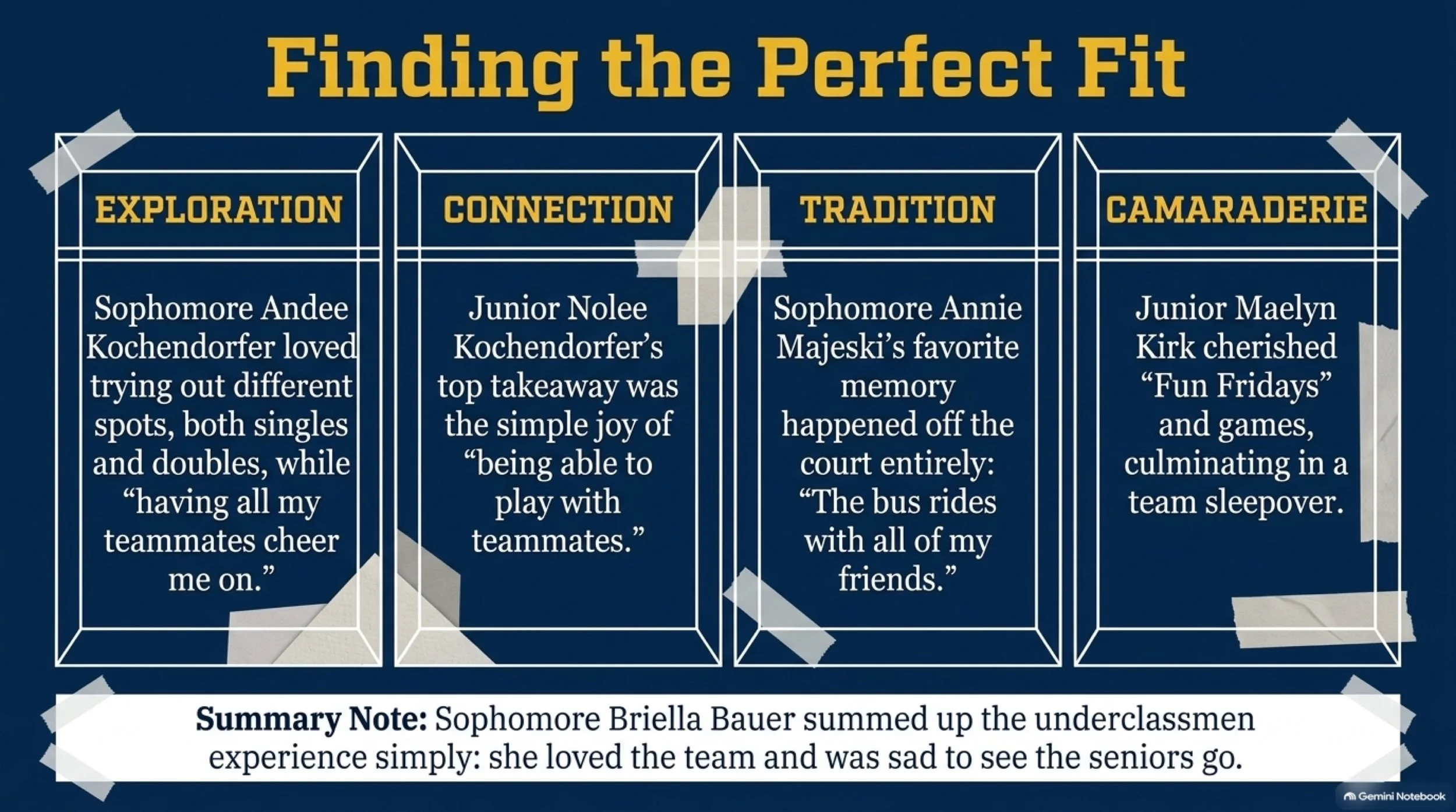
Junior Maelyn Kirk’s favorite memory was Fun Fridays and the games the team played. Samantha remembered Maelyn’s team dinner in particular, which included a sleepover and activities together.
Annie Majeski, a sophomore, chose “the bus rides with all of my friends.” Junior Nolee Kochendorfer chose being able to play with her teammates. [2]
Andee Kochendorfer, also a sophomore, liked the opportunity to explore different roles. [2]
“My favorite part was trying out different spots, singles and doubles, and having all my teammates cheer me on,” she said.
Briella Bauer, a sophomore, described how much she enjoyed the team and said she was sad to see the seniors go. [3]
These memories give the season a texture that match results alone cannot provide. There was the challenge of a new position, the pleasure of a familiar doubles partner and the anticipation of time together away from competition.
The younger players’ answers also suggest what they may want to carry into another season: opportunities to improve, teammates who encourage them and traditions they look forward to sharing.
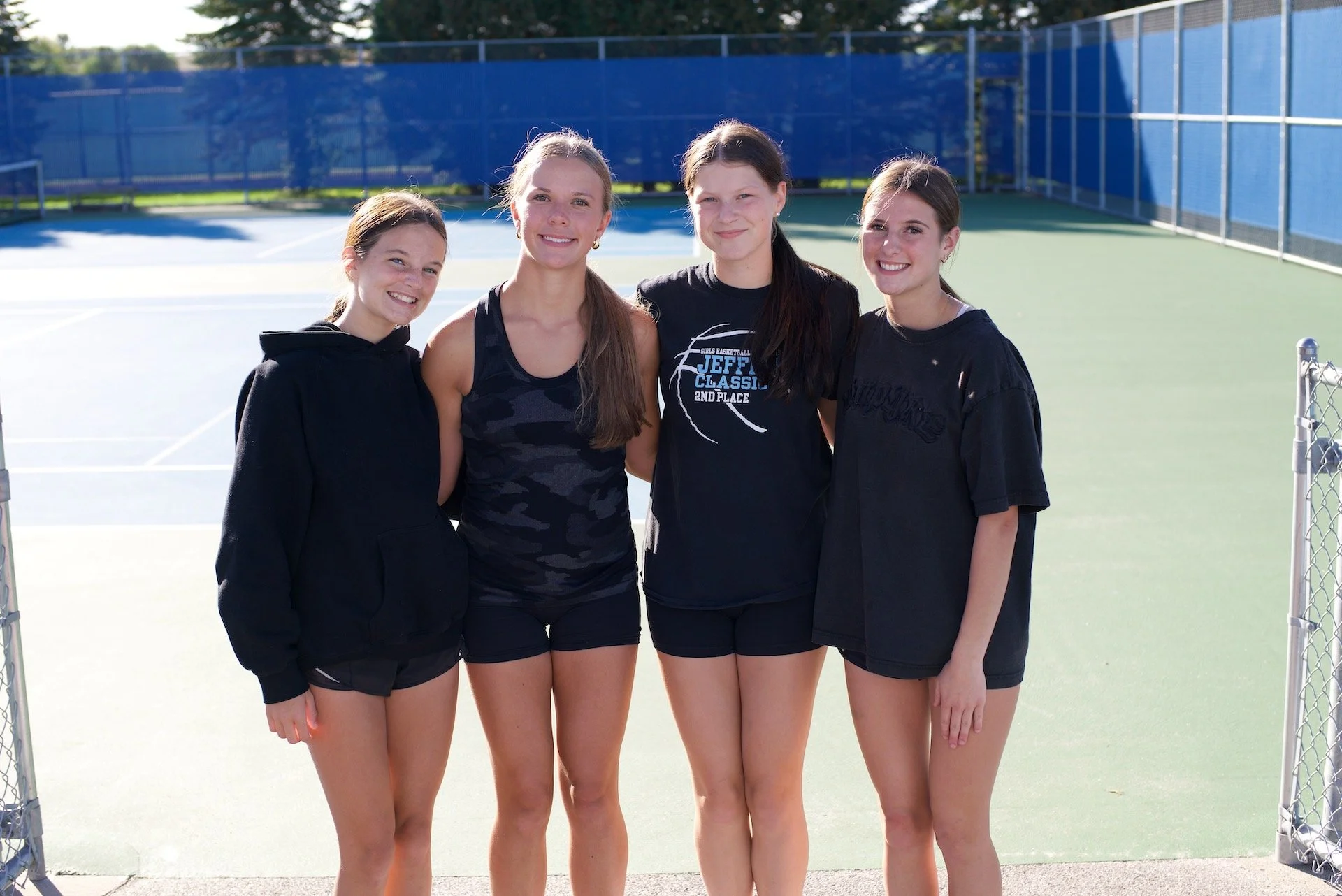
The younger players recalled bus rides, new positions and the encouragement of teammates as they looked back on the season.
A team project that reached beyond tennis
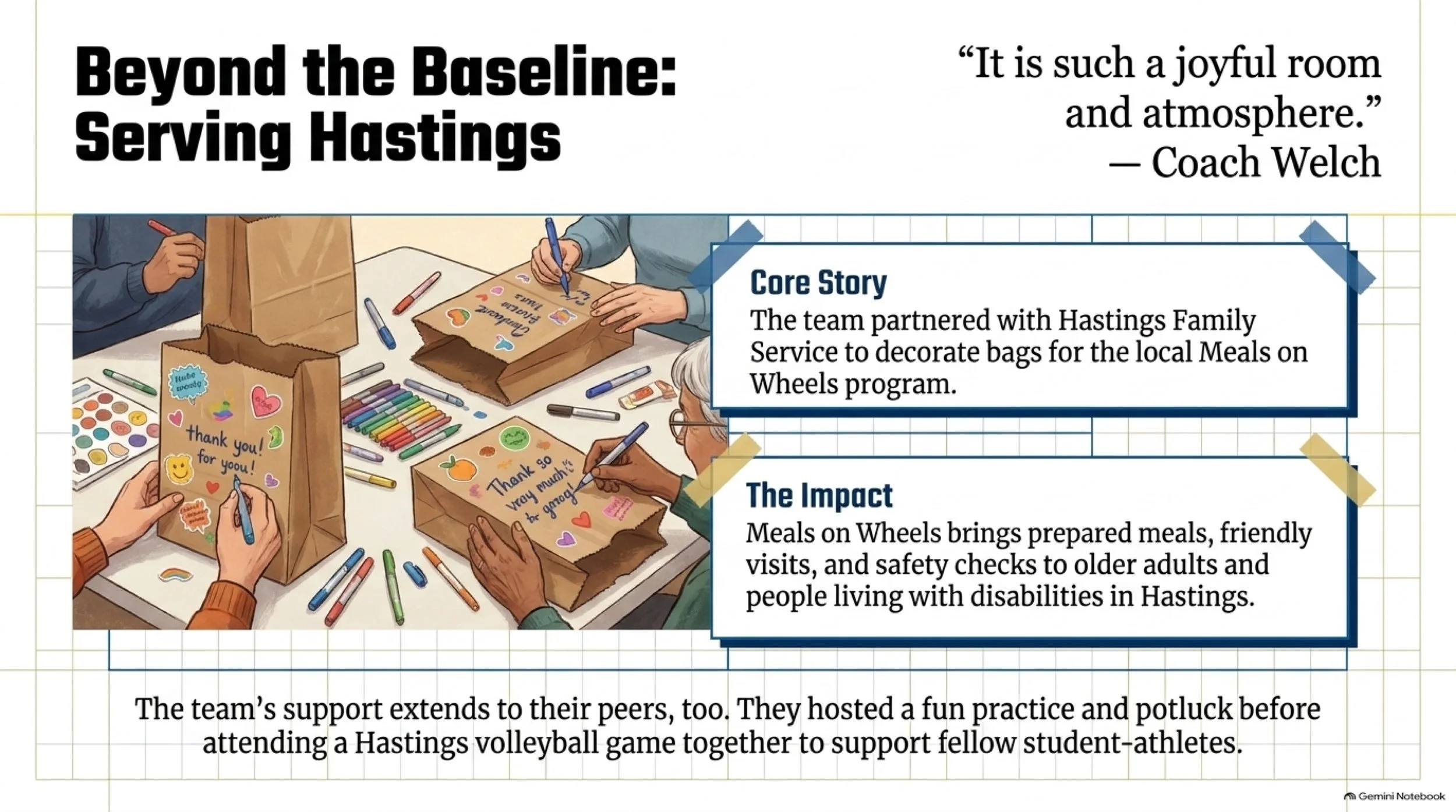
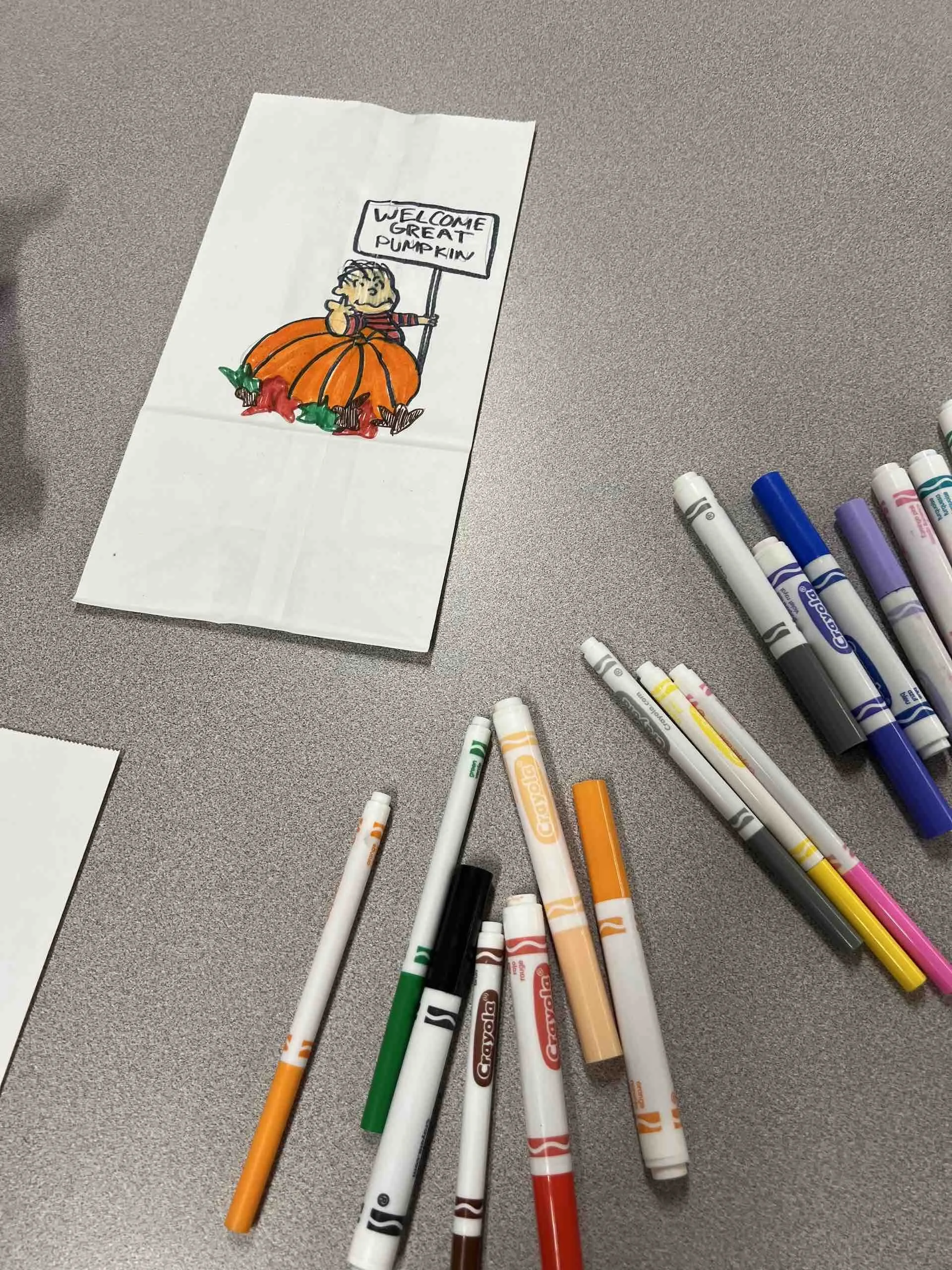
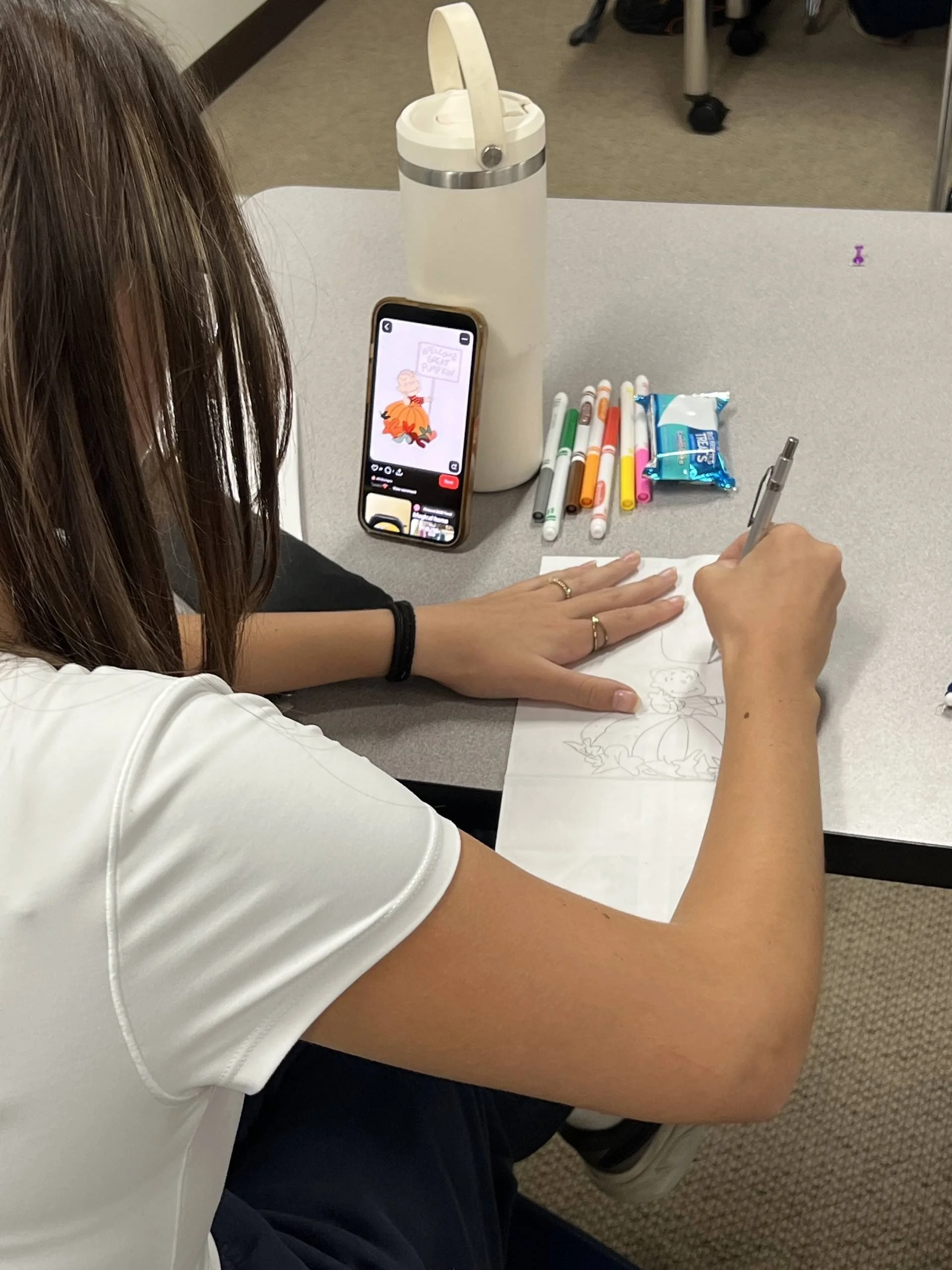
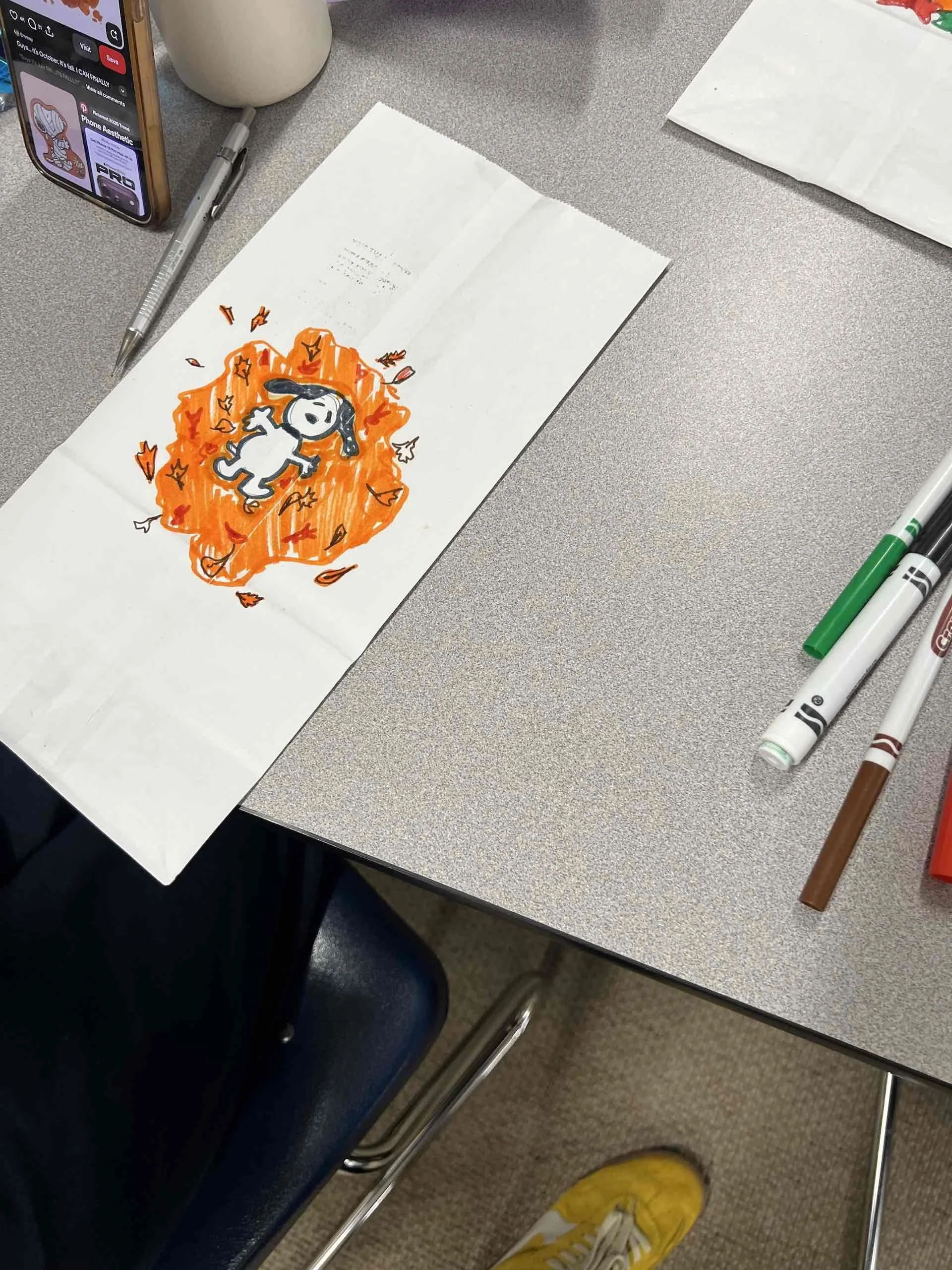
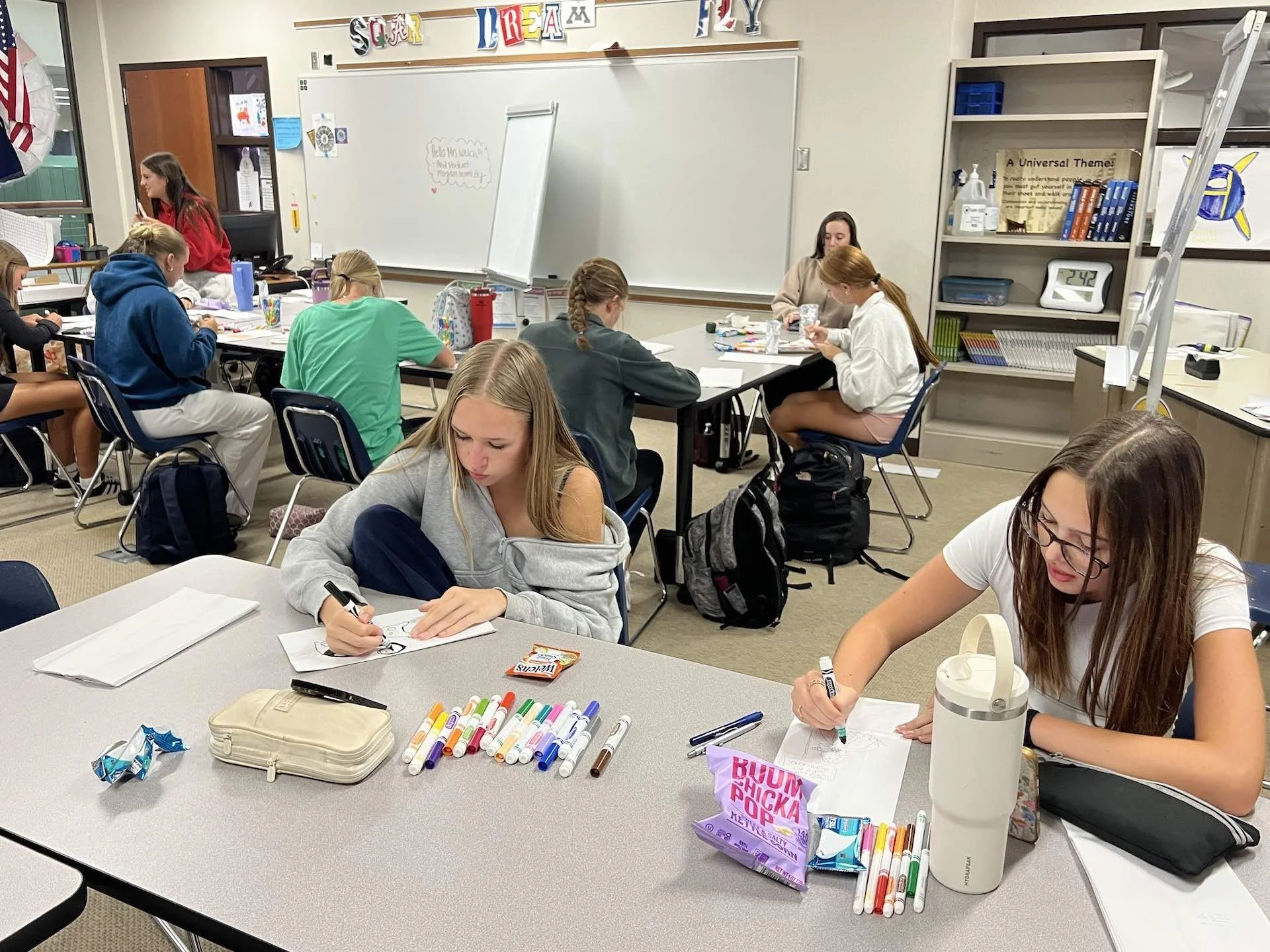
One of Welch’s favorite experiences happened away from the courts. The players decorated bags for Hastings Family Service’s Meals on Wheels program, a project she said the team had done last year and again this year.
“It is such a joyful room and atmosphere,” Welch said.
Hastings Family Service describes Meals on Wheels as a program that brings prepared meals to older adults and people living with disabilities, with volunteers also providing a friendly visit and a safety check. [5]
Decorating the bags gave the team a way to contribute to a service reaching neighbors in Hastings. It was a small, practical project that Welch remembered with particular affection.
She also recalled a fun practice and potluck followed by attending a volleyball game together. Supporting another school team became part of the tennis team’s own season.
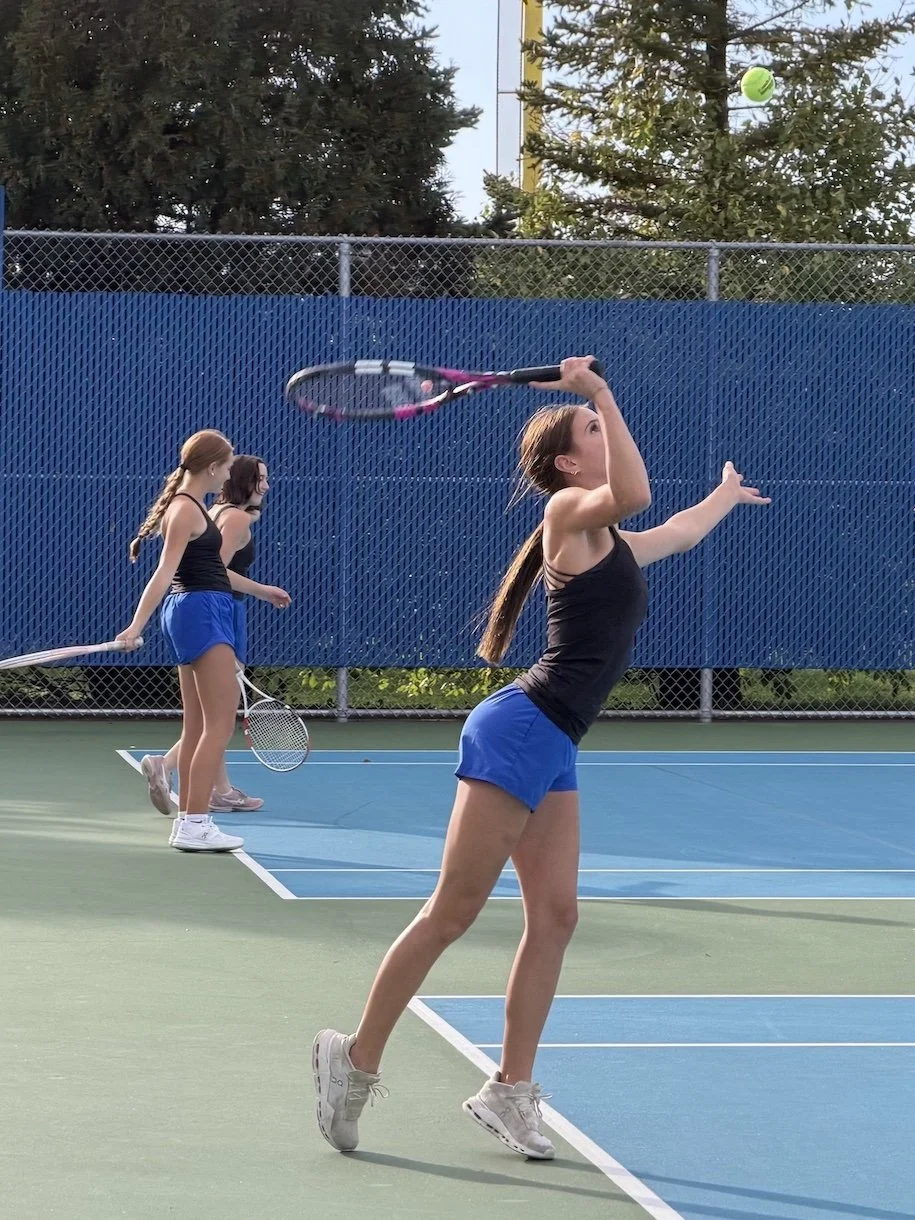
Players and coaches reflected on developing skills and finding confidence through a season of tennis.
How girls tennis became part of the school sports story
The opportunity to play on a girls tennis team has a history worth knowing.
Modern lawn tennis developed in Britain during the 1870s. Women were part of its early American story: the International Tennis Hall of Fame recognizes Mary Ewing Outerbridge as an early introducer of the game, while noting that accounts of exactly who first brought tennis to the United States remain disputed. [6]
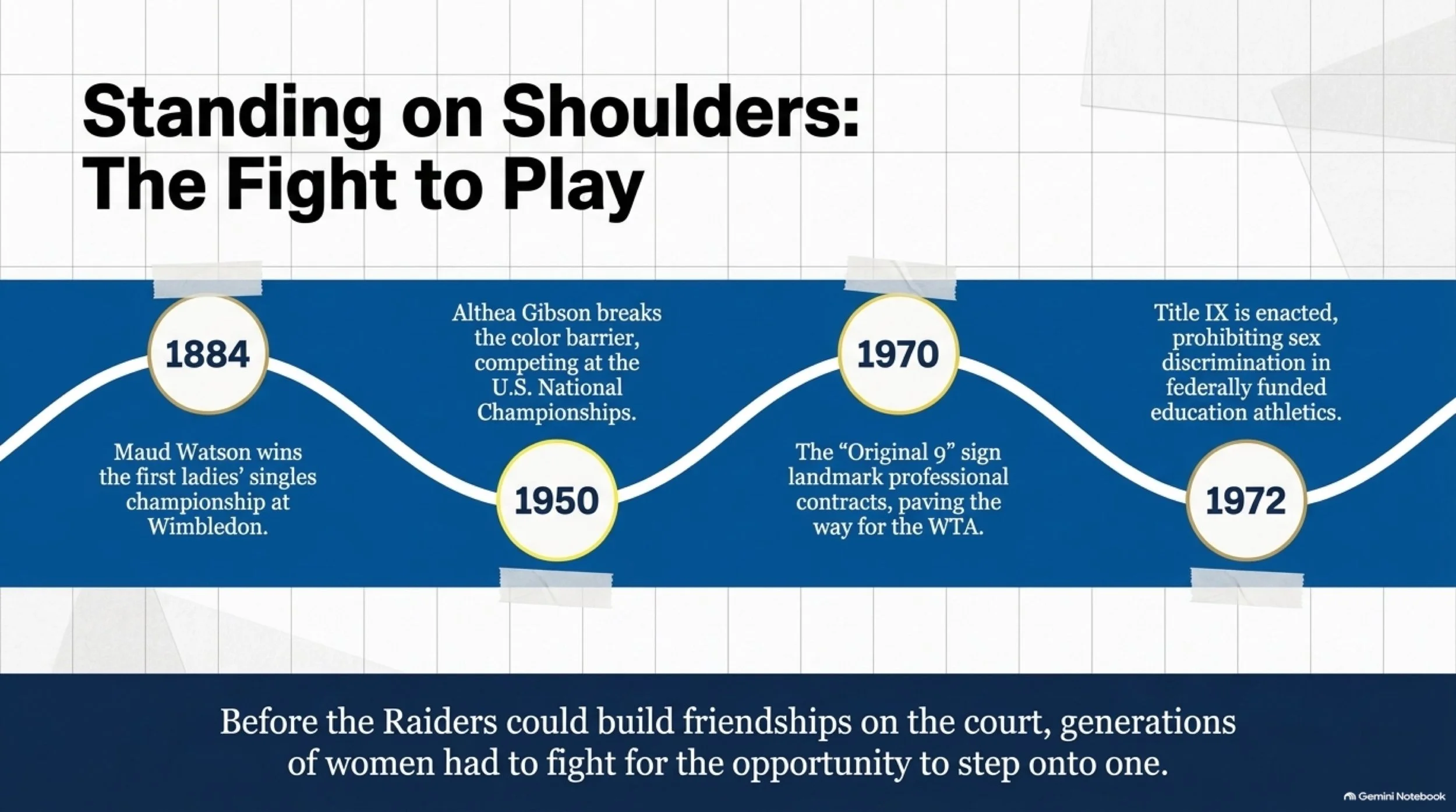
Wimbledon added its first ladies singles championship in 1884. Maud Watson won it by defeating her sister, Lilian. In 1950, Althea Gibson became the first African American to compete at the U.S. National Championships, the tournament that preceded today’s US Open. She went on to win the Wimbledon and U.S. singles titles in both 1957 and 1958. [7, 8]
Other changes expanded opportunity. The Original 9 signed their landmark professional contracts in 1970; Billie Jean King founded the Women’s Tennis Association in 1973. Title IX, enacted in 1972, prohibited sex discrimination in federally funded education programs, including athletics. [9, 10]
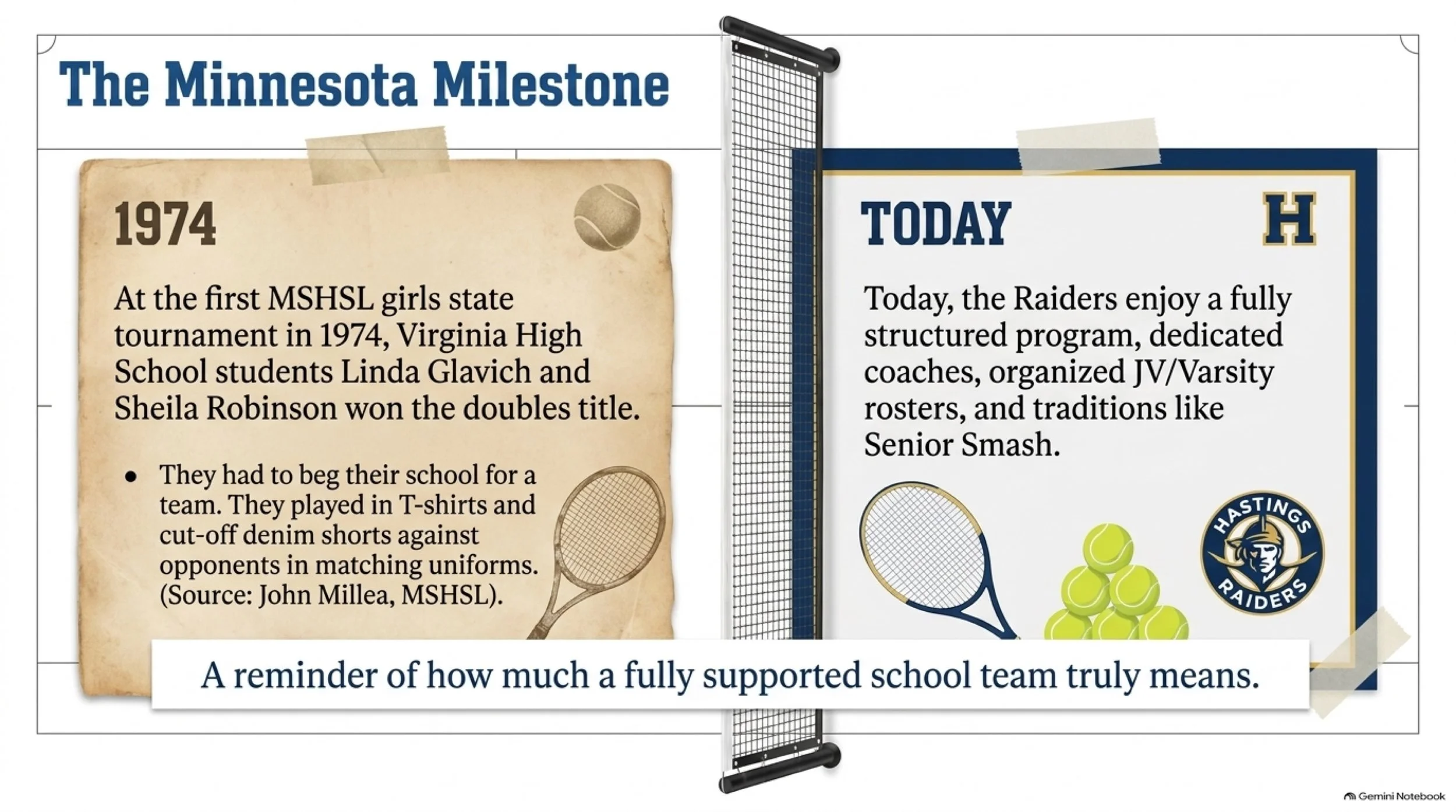
Minnesota’s own turning point came in 1974, when the Minnesota State High School League held its first girls state tennis tournament. [11]
In an MSHSL history of that tournament, John Millea told the story of Linda Glavich and Sheila Robinson, two Virginia High School students who had repeatedly asked for a girls tennis team. Their school added one in fall 1974, and they became the first MSHSL girls doubles champions. They played in T-shirts and cut-off denim shorts; their opponents in the championship match had matching uniforms. [11]
The details are a reminder of how much a school team can mean. Before those girls could make memories of a season together, they had to persuade their school to give them a team.
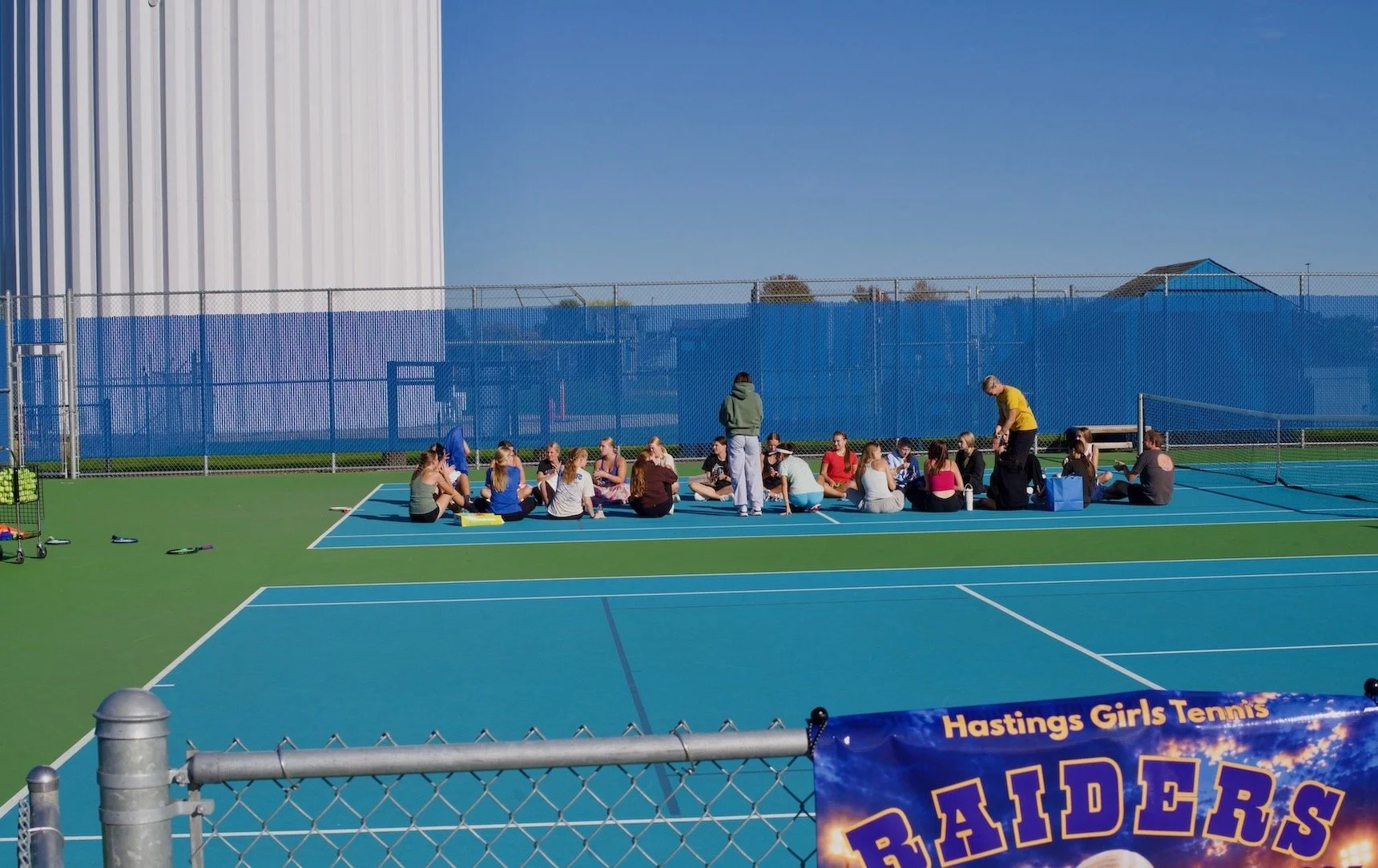
Time together at the courts provided another view of a season the players remembered for its friendships.
Where girls tennis stands today
School tennis now provides opportunities on a much larger scale. The National Federation of State High School Associations reported 204,721 girls tennis participation entries nationwide in the 2024–25 school year, an increase of more than 4 percent over the previous year. [12]
The broader sport is growing, too. The USTA’s 2026 participation report, based on 2025 data, estimated that 27.3 million Americans ages 6 and older played tennis at least once that year. Its female participation category increased by approximately 1.1 million players, or 10 percent, compared with 2024. Those figures cover recreational and competitive tennis across ages; they are not a count of high-school girls teams. [13]
Globally, the International Tennis Federation’s 2024 report estimated just under 106 million players, with women and girls accounting for 40.3 percent. That broader picture shows both the reach of tennis and room to bring more girls into it. [14]
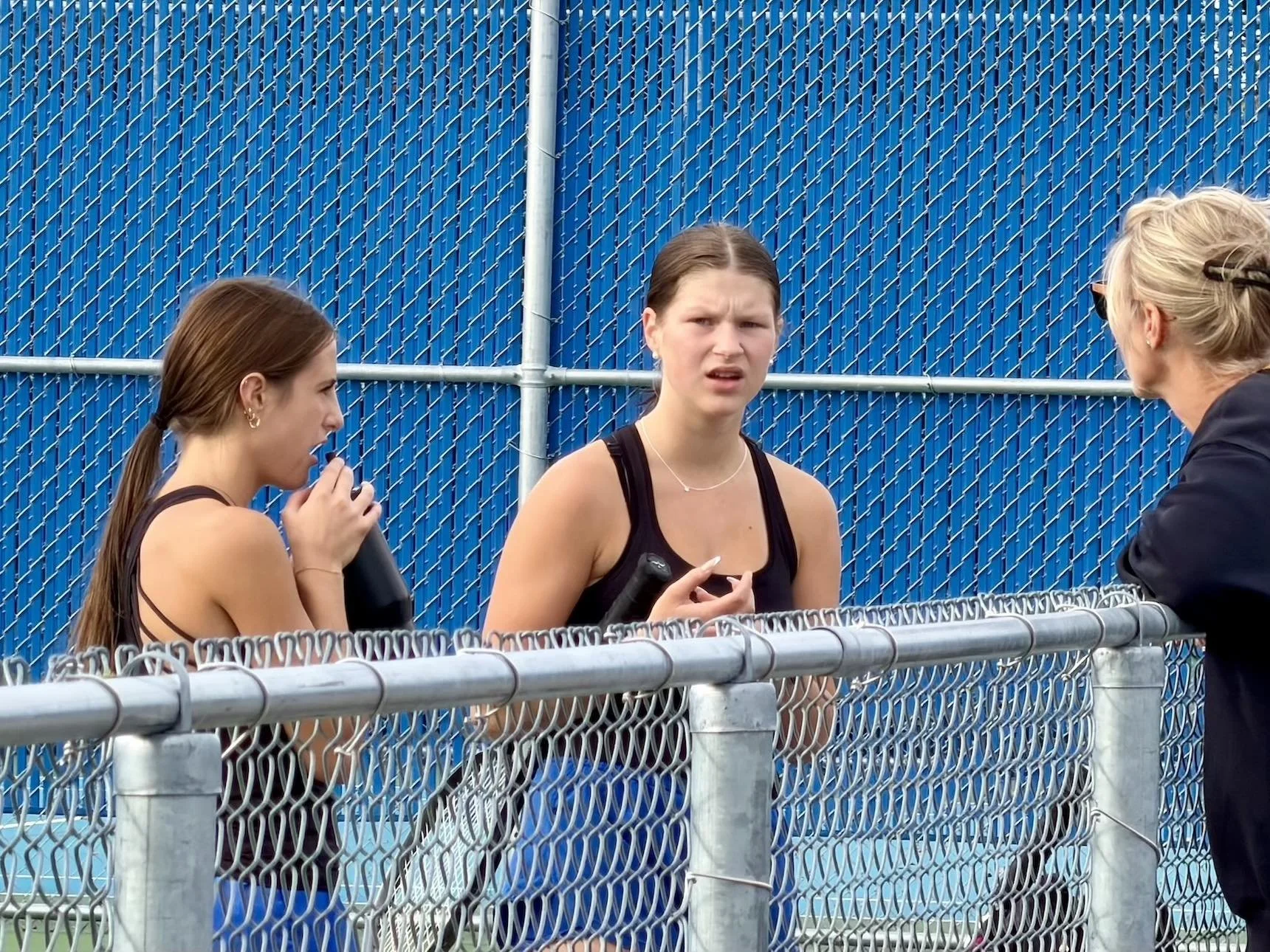
A courtside conversation during HastingsNow.com’s girls tennis coverage.
What the next chapter could look like in Hastings
A promising future for girls tennis would give more beginners a way to start, help developing players keep improving and offer graduates places to continue playing. That is an opportunity for communities to build toward, rather than a prediction about next year’s Raiders.
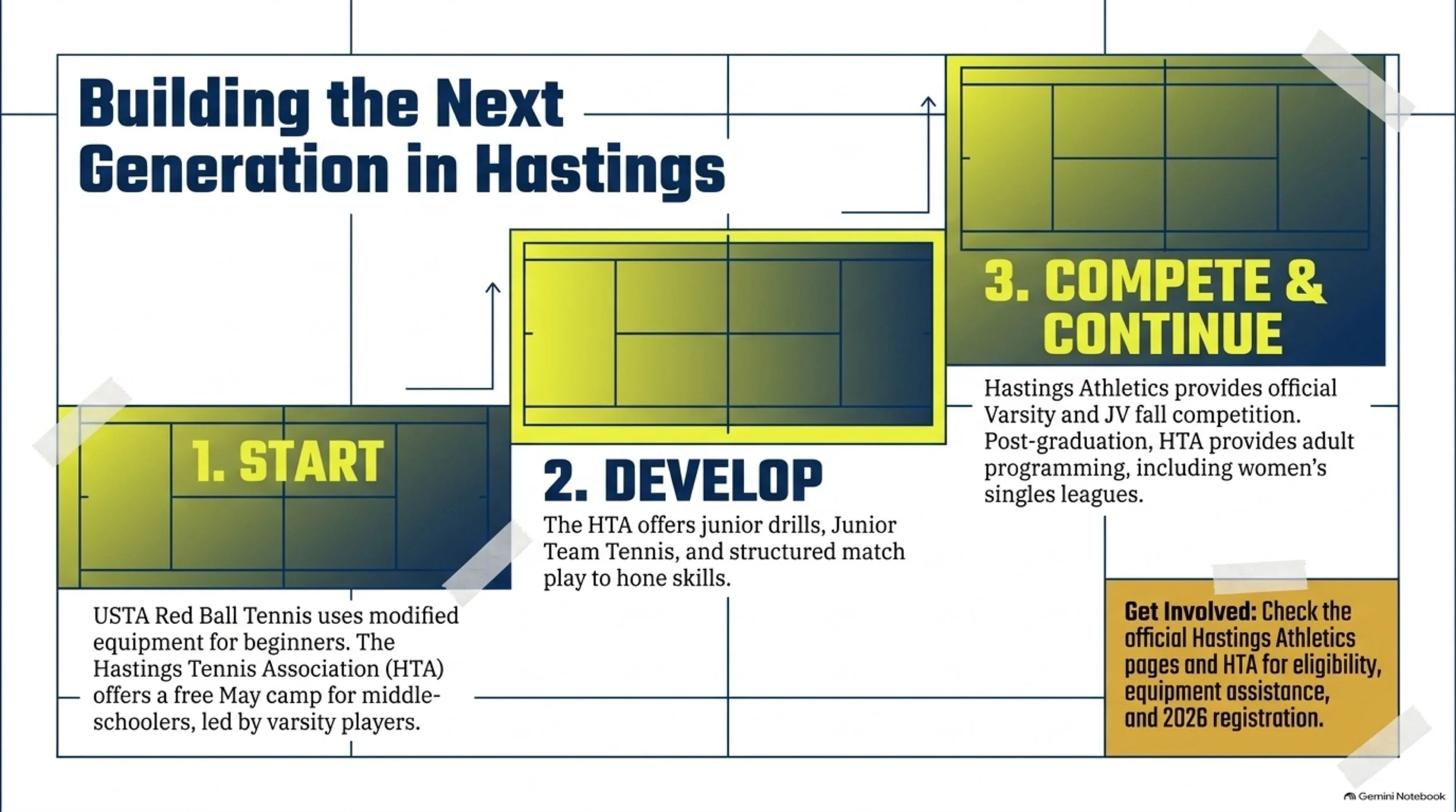
Hastings already has organizations working across those stages. The Hastings Tennis Association’s 2026 offerings included junior drills and match play, Junior Team Tennis and a free May camp for middle-school players led by middle-school coaches and high-school players. Its adult programming included women’s singles leagues. [15, 16]
Those are examples from the published 2026 program, with dates and availability to check for the next session. They show how a young player’s first lessons and an adult’s weekly match can belong to the same community tennis network.
Nationally, the USTA is also using modified equipment through Red Ball Tennis to make it easier for new and returning players to get started. Supporting coaches matters as well: a 2026 report developed with the University of Minnesota’s Tucker Center identified working conditions, compensation and advancement opportunities as factors in retaining women coaches. [19, 20]
For Hastings, useful next steps could include helping families find beginner programs, asking organizers about equipment and cost assistance, and encouraging students to keep playing after their school season. Families can begin with the official Hastings Athletics pages and the Hastings Tennis Association to ask about eligibility, registration and upcoming opportunities. [15, 16, 17]
In Hastings, the younger players have given the next team something to build on. They remember encouragement while trying a new position. They value their doubles partners. They are going to miss their seniors.
For families watching a student learn the game, there is also the possibility of a moment like Hedeen’s: realizing she can do more than she knew.
“It was just cool getting to see my full potential,” Hedeen said.
“One of Welch’s favorite experiences happened away from the courts. The players decorated bags for Hastings Family Service’s Meals on Wheels program, a project she said the team had done last year and again this year.
“It is such a joyful room and atmosphere,” Welch said.
Hastings Family Service describes Meals on Wheels as a program that brings prepared meals to older adults and people living with disabilities, with volunteers also providing a friendly visit and a safety check. [5]
Decorating the bags gave the team a way to contribute to a service reaching neighbors in Hastings. It was a small, practical project that Welch remembered with particular affection.”
-
Marissa Welch is the head coach and Alex Zuzek is the assistant coach, as identified in their HastingsNow.com interviews.
-
Welch described Senior Smash as the team’s tradition for honoring seniors and hearing them reflect on their tennis experiences.
-
Welch said the players decorated bags for Hastings Family Service’s Meals on Wheels program.
-
Check Hastings Athletics for school participation information and the Hastings Tennis Association for upcoming junior and adult programs.
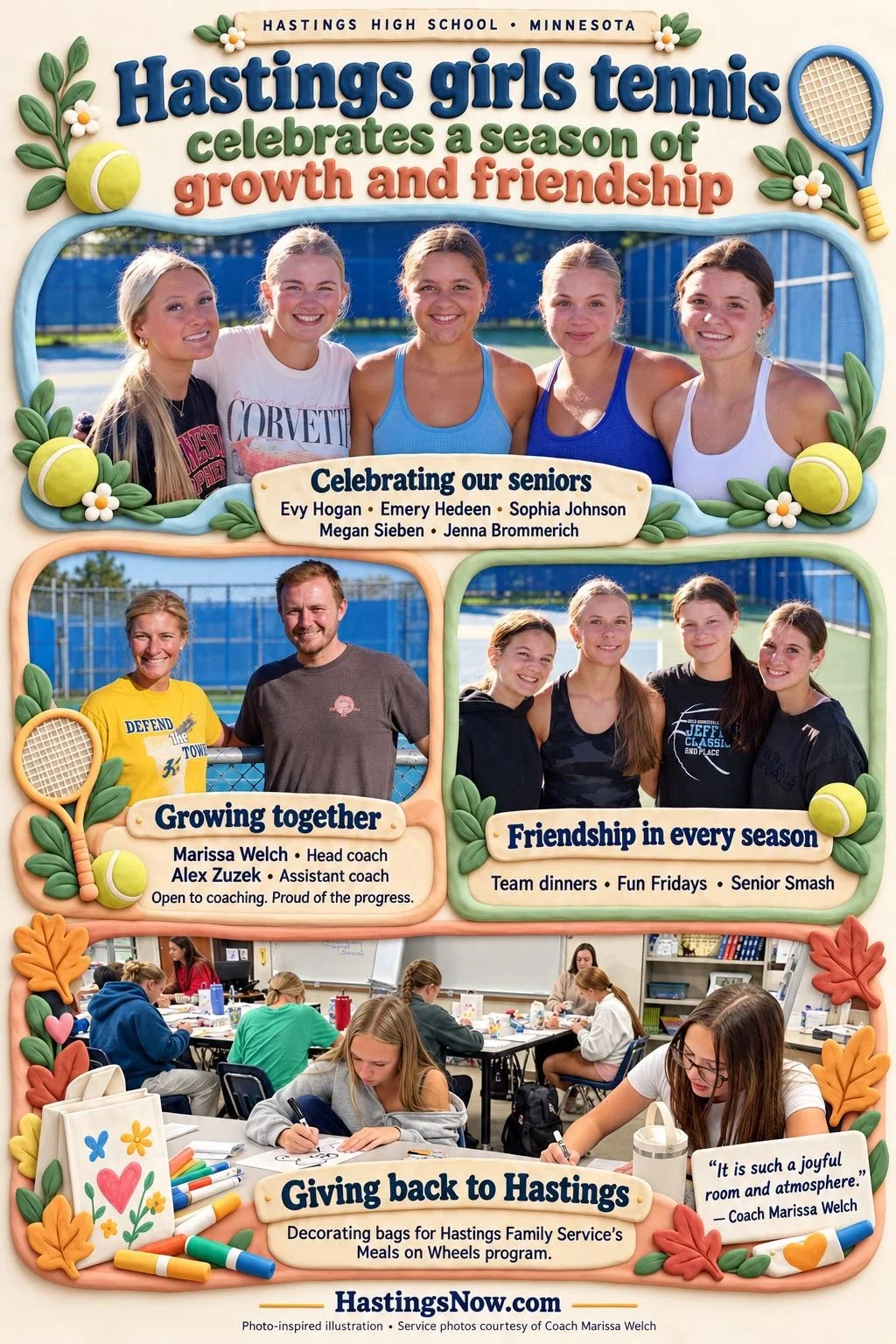
Infographic by HastingsNow.com
Reporting sources
The players’ and coaches’ recollections come from HastingsNow.com interviews. External sources support the competition context, history, participation figures and community resources. Sources reviewed October 12, 2026.
HastingsNow.com interviews — Interviews with coaches Marissa Welch and Alex Zuzek and 11 players. Transcripts supplied by Ashley and Peter.
KDWA match coverage — Farmington result and player spellings, September 10, 2026.
KDWA match coverage — Tartan result and player spellings, September 17, 2026.
KDWA match coverage — Eastview result, September 18, 2026.
Hastings Family Service — Meals on Wheels program description.
International Tennis Hall of Fame — Mary Outerbridge biography and the uncertainty surrounding early American tennis accounts.
Wimbledon — People and Places educational history, including the first ladies singles championship.
International Tennis Hall of Fame — Althea Gibson biography.
Women’s Tennis Association — WTA history and the Original 9.
U.S. Department of Education — Title IX and athletics; historical statute date and athletic opportunity.
Minnesota State High School League — John Millea, Inaugural Tennis Champion Is Back At State, June 8, 2022.
National Federation of State High School Associations — 2024–25 participation release, including 204,721 girls tennis participation entries.
United States Tennis Association — 2026 U.S. Tennis Participation Report, based on 2025 data, especially pages 5–6.
International Tennis Federation — Global Tennis Report findings, November 28, 2024.
Hastings Tennis Association — Junior drills, match play, Junior Team Tennis and the May 2026 middle-school camp.
Hastings Tennis Association — Youth and adult programming and women’s singles leagues.
Hastings Athletics — Official sports offerings, including girls tennis in fall with varsity and JV teams.
Google Search Central — AI features and your website; search eligibility and established SEO practices.
USTA Coaching — Women in Coaching report developed with the University of Minnesota Tucker Center, March 11, 2026.
United States Tennis Association — Red Ball Tennis and modified equipment for new and returning players.